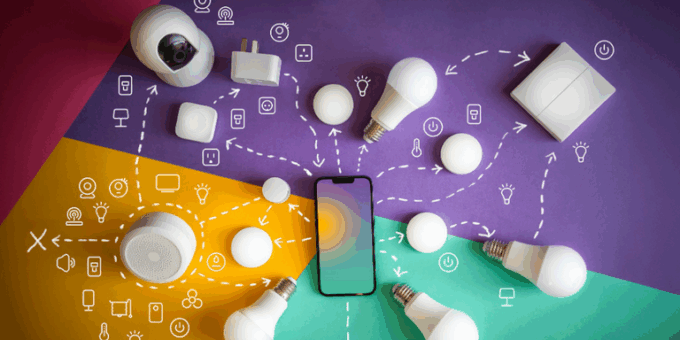
Smart Home Technology Guide 2026: Save Money & Live Smarter is more than just a trend—it’s a lifestyle transformation. As technology evolves, smart homes are becoming more accessible, efficient, and affordable. From reducing energy bills to improving security and convenience, smart home devices are reshaping how we live.
In this comprehensive guide, you’ll learn how to build a smart home, save money, and maximize efficiency using the latest innovations in 2026.
What is Smart Home Technology?
Smart home technology refers to devices connected through the internet that allow you to control, monitor, and automate your home remotely. These devices can be managed via smartphone apps, voice assistants, or centralized hubs.
Common examples include smart thermostats, lighting systems, security cameras, and voice assistants like Google Assistant or Amazon Alexa.
Benefits of Smart Home Technology in 2026
1. Save Money on Energy Bills
One of the biggest advantages of smart home devices is energy efficiency. Smart thermostats automatically adjust temperature settings, while smart lighting systems turn off when not in use.
According to U.S. Department of Energy, smart thermostats can save homeowners up to 10–15% annually on heating and cooling costs.
2. Enhanced Security
Smart security systems include cameras, motion sensors, and smart locks. These devices provide real-time alerts and remote monitoring, giving homeowners peace of mind.
3. Convenience and Automation
Automation allows devices to work together. For example, lights can turn on when you enter a room, or your coffee maker can start brewing when your alarm goes off.
4. Increased Property Value
Homes equipped with smart technology are more attractive to buyers. This makes smart upgrades a great investment.
Top Smart Home Devices to Invest in 2026
Smart Thermostats
Smart thermostats like Nest and Ecobee learn your habits and adjust temperatures automatically. They help reduce energy consumption and improve comfort.
Smart Lighting Systems
Smart bulbs and switches allow you to control lighting remotely. You can also set schedules and create mood lighting.
Smart Security Cameras
Modern cameras offer HD video, night vision, and cloud storage. Some even include AI-powered facial recognition.
Smart Speakers & Assistants
Voice assistants act as the control center for your smart home. They can play music, control devices, and answer questions.
How Smart Homes Help You Build Passive Income
Interestingly, smart home technology can contribute to passive income opportunities. For example, homeowners renting properties on Airbnb can automate check-ins using smart locks and manage utilities remotely.
Additionally, smart homes reduce maintenance costs, increasing overall profit margins for rental properties.
Smart Home Technology and Online Business Opportunities
The rise of smart homes has also opened doors for online business models. Entrepreneurs can create content, review products, or sell smart devices online.
For instance, bloggers and YouTubers often earn through affiliate marketing by recommending smart home products. Learn more about this strategy on Shopify’s Affiliate Marketing Guide.
Similarly, starting a dropshipping business focused on smart gadgets is a growing trend. Understanding affiliate vs dropshipping can help you choose the right business model.
How to Build a Smart Home on a Budget
Start Small
Begin with essential devices like smart plugs or bulbs. These are affordable and easy to install.
Choose Compatible Devices
Ensure all devices work with your preferred ecosystem, such as Alexa, Google Assistant, or Apple HomeKit.
Use Automation Strategically
Focus on areas where automation saves the most money, such as heating, cooling, and lighting.
Look for Deals and Bundles
Many retailers offer discounts on smart home bundles. Shopping smart can significantly reduce costs.
Future Trends in Smart Home Technology
AI-Powered Automation
Artificial intelligence is making smart homes more intuitive. Devices will learn user behavior and make decisions automatically.
Energy Management Systems
Advanced systems will optimize energy usage across the entire home, integrating with solar panels and battery storage.
Improved Interoperability
New standards like Matter are improving compatibility between devices from different brands.
Voice and Gesture Control
Future homes will rely less on apps and more on voice and gesture-based controls.
Common Mistakes to Avoid
Overcomplicating Your Setup
Adding too many devices can make your system confusing. Keep it simple and scalable.
Ignoring Security
Always use strong passwords and update firmware regularly to protect your devices.
Buying Incompatible Devices
Check compatibility before purchasing to avoid connectivity issues.
Is Smart Home Technology Worth It in 2026?
Absolutely. Smart home technology is no longer a luxury—it’s a practical solution for modern living. With the ability to save money, enhance security, and improve convenience, it offers excellent value for homeowners.
Moreover, integrating smart home systems can support online business ventures and boost passive income streams through rentals, content creation, and affiliate marketing.
Conclusion
Smart Home Technology Guide 2026: Save Money & Live Smarter highlights the growing importance of connected living. Whether you’re looking to cut costs, increase comfort, or explore new income opportunities, smart home technology is a powerful tool.
Start small, invest wisely, and embrace the future of living. With the right approach, you can transform your home into a smart, efficient, and profitable space.
