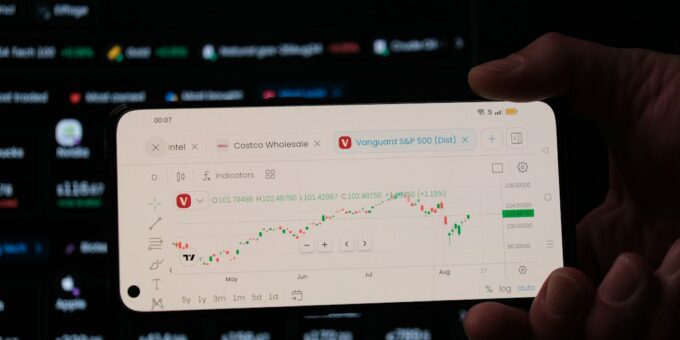
The economy is rarely static; it is a living, breathing entity that constantly shifts, expands, and contracts. For most individuals, the concept of an “economic cycle” feels abstract, often discussed in headlines regarding inflation, interest rates, or GDP growth. However, understanding the mechanics of these cycles is not merely an academic exercise for economists. It is a practical skill that can help you make informed decisions about your savings, investments, and career planning. By recognizing where we stand in the broader economic landscape, you can better prepare for the uncertainties of the future.
The Four Stages of the Economic Cycle
At its core, the business cycle is a recurring pattern of economic activity that fluctuates over time. While the exact timing and duration of these cycles vary, they generally follow four distinct phases: expansion, peak, contraction, and trough. Understanding what happens in each stage helps clarify why certain economic indicators move the way they do.
1. Expansion: The Era of Growth
The expansion phase, often referred to as a boom, is characterized by rising economic activity. During this period, businesses see increased sales and profits, leading to higher production levels. As demand for goods and services grows, companies hire more workers, which lowers unemployment rates and boosts consumer confidence. With more people earning money, spending increases, creating a positive feedback loop that further stimulates the economy.
This is typically the time when stock markets perform well, and asset prices rise. However, it is important to remember that rapid expansion can lead to overheating. If demand outpaces supply, inflation may rise, prompting central banks, such as the Federal Reserve in the United States, to raise interest rates to cool down the economy and prevent excessive price increases.
2. Peak: The Turning Point
The peak represents the highest point of economic activity before a downturn begins. At this stage, the economy is growing at its fastest rate, but it is also becoming fragile. The labor market may be tight, leading to higher wages, which can fuel inflation. Consumer spending and business investment may be at their maximum levels, but the risk of a sudden correction is high.
The peak is often difficult to identify in real-time. Economists use various indicators, such as the inverted yield curve or leading economic indices, to predict when the economy might be approaching a peak. Recognizing that the economy is near a peak can be a signal to become more cautious with your financial decisions, perhaps by paying down high-interest debt or increasing your emergency savings.
3. Contraction: The Recession
When the economy moves past the peak, it enters the contraction phase, commonly known as a recession. A recession is defined as a significant decline in economic activity that lasts for more than a few months. During this period, business investment slows, consumer spending drops, and unemployment rises as companies cut costs and lay off workers.
Financial markets often react negatively to the onset of a recession, with stock prices falling and credit becoming harder to obtain. This phase can be challenging for individuals, as income may be reduced, and the cost of living may feel higher due to inflation or job losses. It is a time when liquidity becomes crucial, and having a robust financial buffer can make a significant difference in navigating the downturn.
4. Trough: The Bottom
The trough marks the lowest point of economic activity before a new expansion begins. While the economy is still weak at the trough, the decline in activity stops, and the conditions start to improve. This is the moment when hiring might begin to stabilize, and business investment could start to pick up again.
The duration of the trough varies widely. Some recessions are short and sharp, while others are long and drawn-out, leading to periods of stagnation. The length of the trough depends on how quickly policymakers and businesses respond to the downturn. Once the economy clears the trough, it enters a new phase of expansion, restarting the cycle.
Factors That Influence Economic Cycles
Economic cycles are not random; they are driven by a complex interplay of internal and external factors. Identifying these drivers can help you anticipate changes before they fully materialize.
Aggregate Demand and Supply
The balance between aggregate demand (total spending in the economy) and aggregate supply (total production) is a primary driver of cycles. When demand exceeds supply, prices rise, and the economy expands. When supply exceeds demand, prices fall, and the economy may contract. Government policies, consumer sentiment, and business confidence all play roles in determining this balance.
Monetary Policy
Central banks play a critical role in managing economic cycles through monetary policy. They control the supply of money and interest rates in the economy. During a recession, central banks may lower interest rates to encourage borrowing and spending, thereby stimulating economic growth. Conversely, during an expansion, they may raise interest rates to curb inflation and prevent the economy from overheating.
While central banks have tools to smooth out the cycles, they cannot completely eliminate them. Their actions are often reactive, meaning they respond to data that has already been released, which can sometimes lead to a lag in the economy’s response.
Fiscal Policy
Government fiscal policy, involving taxation and spending, also influences economic cycles. During a downturn, governments may increase spending on infrastructure or provide tax cuts to boost demand and create jobs. During a boom, they may increase taxes or reduce spending to prevent an overheating economy.
External Shocks
Global economies are interconnected, and an event in one part of the world can have ripple effects elsewhere. Geopolitical conflicts, natural disasters, pandemics, or changes in global trade policies can act as external shocks that disrupt the economic cycle. For example, a supply chain disruption caused by a global conflict can lead to inflation, slowing down economic growth even if domestic demand remains strong.
Strategies for Navigating Economic Cycles
While no one can predict the exact timing of an economic cycle, you can adopt strategies that help you weather any storm and capitalize on growth periods. The key is to focus on long-term goals rather than short-term market fluctuations.
Build a Strong Financial Foundation
Regardless of where the economy is in its cycle, having an emergency fund is essential. This fund should cover at least three to six months of living expenses. It acts as a cushion during a recession, allowing you to maintain your standard of living and avoid taking on high-interest debt when job security is uncertain.
Additionally, reduce unnecessary expenses and pay down high-interest debt, such as credit card balances. High-interest debt can become a burden during a recession when interest rates are high and income may be reduced. By eliminating this debt early, you free up cash flow for future opportunities.
Diversify Your Investments
Investment diversification is one of the most effective ways to manage risk across different economic cycles. A diversified portfolio includes a mix of asset classes, such as stocks, bonds, and cash, which may react differently to economic conditions.
For example, during a recession, stocks may fall, but bonds often rise or remain stable, providing a counterbalance to the losses in equities. This diversification helps to smooth out the volatility of your overall portfolio, reducing the impact of a downturn on your net worth. Avoid trying to time the market by buying and selling based on predictions of when the cycle will turn. Instead, focus on a consistent investment strategy that aligns with your risk tolerance and time horizon.
Stay Informed but Avoid Panic
Keeping up with economic news is important, but it is easy to become overwhelmed by the volume of information.之年, headlines about rising interest rates or falling GDP can be alarming. However, remember that economic data is often revised, and the economy is more resilient than the headlines suggest.
Focus on reliable sources of information and understand the context behind the numbers. For instance, a temporary dip in manufacturing output might not signal a broader recession if other sectors like services and consumer spending remain strong. Avoid making impulsive financial decisions based on fear or speculation.
Adapt Your Strategies
While long-term planning is crucial, it is also wise to adapt your financial strategies as the economic cycle shifts. If you are in the expansion phase and your portfolio is growing, consider whether you are overexposed to risk. You might choose to rebalance your portfolio to lock in some gains or move to more conservative assets as you approach a peak.
Conversely, if you anticipate a recession, you might decide to increase your cash holdings or shift to defensive assets, such as high-quality bonds or dividend-paying stocks, which historically have performed well during downturns. The goal is to be flexible and responsive to changing conditions without abandoning your long-term vision.
The Role of the Federal Reserve
In the United States, the Federal Reserve plays a pivotal role in managing the economic cycle through its monetary policy. The Fed’s dual mandate is to promote maximum employment and stable prices. To achieve these goals, the Fed uses the federal funds rate, which is the interest rate at which banks lend to each other overnight.
When the Fed raises interest rates, borrowing becomes more expensive for consumers and businesses. This slows down spending and investment, which helps to cool down an overheating economy and control inflation. When the Fed lowers interest rates, borrowing becomes cheaper, encouraging spending and investment, which helps to stimulate a sluggish economy.
Understanding the Fed’s actions can help you anticipate changes in the economic cycle. For example, if the Fed starts raising rates aggressively, it could signal that the economy is overheating and that a slowdown is on the horizon. If the Fed cuts rates, it could indicate that the economy is slowing down and that a recession is possible.
However, it is important to remember that the Fed’s actions are not a crystal ball. They are based on data and models that may not perfectly predict the future. The economy is influenced by many factors, and the Fed’s policies may not always be effective in achieving their desired outcomes.
Conclusion
Economic cycles are a natural part of how our economy functions. They are the result of complex interactions between businesses, consumers, governments, and meltdown risks. While we cannot control the cycle, we can control how we prepare for it. By building a strong financial foundation, diversifying your investments, and staying informed without succumbing to panic, you can navigate the ups and downs of the economy with confidence.
Remember that investing for the long term is the best strategy for building wealth. The economic cycle is a long-term phenomenon, and over a period of decades, the economy tends to trend upward. The short-term volatility may be unsettling, but it is a normal part of the journey. By focusing on your goals and maintaining a disciplined approach, you can position yourself to benefit from the expansion phase and weather the storms of the contraction phase, ultimately achieving your financial freedom.
Stay curious, stay prepared, and trust in the resilience of your financial plan as the economy moves through its inevitable cycles.
