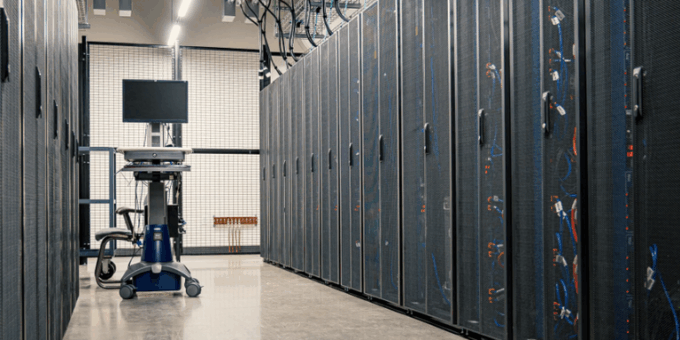
Cloud Computing Explained is one of the most searched technology topics in 2026, and for good reason. Businesses and individuals are rapidly moving away from traditional systems and embracing cloud-based solutions. Whether you’re running an online business, building apps, or creating digital income streams like affiliate marketing or a dropshipping business, cloud computing plays a crucial role in efficiency, scalability, and profitability.
In this guide, we will break down how cloud computing works, its key benefits, cost considerations, and the best cloud platforms in 2026.
What Is Cloud Computing?
Cloud computing refers to delivering computing services such as storage, servers, databases, networking, and software over the internet. Instead of owning physical hardware, users can access resources on-demand from cloud providers.
This flexibility allows startups, freelancers, and enterprises to scale quickly without large upfront investments. It also supports modern income streams like passive income websites and automated online business models.
Types of Cloud Computing
There are three main types of cloud computing services:
- Infrastructure as a Service (IaaS) – Provides virtual servers and storage.
- Platform as a Service (PaaS) – Offers development environments for apps.
- Software as a Service (SaaS) – Delivers software via browsers (e.g., email tools).
Key Benefits of Cloud Computing in 2026
1. Cost Efficiency
One of the biggest advantages of cloud computing is cost savings. Businesses only pay for what they use. There is no need to invest in expensive infrastructure or maintenance.
This is especially helpful for entrepreneurs running affiliate marketing websites or a dropshipping business, where minimizing costs is key to maximizing profit.
2. Scalability
Cloud platforms allow users to scale resources up or down instantly. If your website traffic spikes, the cloud adjusts automatically.
This is essential for growing online business models that depend on traffic, such as blogs and eCommerce stores.
3. Remote Accessibility
Cloud services can be accessed from anywhere with an internet connection. This supports remote work and global teams.
Digital entrepreneurs can manage passive income streams from any location, making cloud computing a key enabler of financial freedom.
4. Security and Backup
Modern cloud providers offer advanced security features, including encryption, firewalls, and automatic backups.
This reduces the risk of data loss, which is critical for any online business handling customer data.
5. Performance and Speed
Cloud computing ensures faster loading speeds and better performance through global data centers.
Fast websites improve SEO rankings and conversions, which is crucial for both affiliate marketing and eCommerce success.
Cloud Computing Costs in 2026
Understanding cloud pricing is essential before choosing a platform. Costs vary depending on usage, services, and providers.
1. Pay-As-You-Go Model
Most cloud providers use a pay-as-you-go pricing model. You are charged based on usage such as storage, bandwidth, and computing power.
2. Subscription Plans
Some services offer monthly subscriptions with fixed resources. This is ideal for predictable workloads.
3. Hidden Costs to Watch
- Data transfer fees
- Premium support charges
- Extra storage costs
- API requests and operations
Careful cost management is crucial, especially for startups and individuals building passive income systems.
Best Cloud Computing Platforms in 2026
1. Amazon Web Services (AWS)
AWS remains the market leader in 2026. It offers a wide range of services, including computing power, storage, and AI tools.
It is ideal for large-scale applications and growing online business platforms.
2. Microsoft Azure
Microsoft Azure is known for its integration with Microsoft tools. It is widely used by enterprises and developers.
Azure is great for businesses already using Windows-based systems.
3. Google Cloud Platform (GCP)
Google Cloud excels in data analytics, machine learning, and performance optimization.
It is a strong choice for tech startups and data-driven affiliate marketing businesses.
4. DigitalOcean
DigitalOcean is popular among developers and small businesses due to its simplicity and affordable pricing.
It is ideal for beginners starting a dropshipping business or blog.
5. Alibaba Cloud
Alibaba Cloud is a growing player, especially in Asia. It offers competitive pricing and scalable solutions.
Cloud Computing for Online Income Models
Cloud computing is not just for big companies. It plays a major role in modern digital income strategies.
1. Affiliate Marketing
Cloud hosting ensures fast website speed and uptime, which improves SEO and conversions.
Understanding affiliate vs dropshipping is important when choosing your business model, and cloud platforms support both efficiently.
2. Dropshipping Business
Cloud-based tools help manage inventory, orders, and automation without physical infrastructure.
This reduces costs and increases scalability for your dropshipping business.
3. Passive Income Websites
Bloggers and content creators rely on cloud hosting to maintain uptime and handle traffic spikes.
This makes it easier to generate consistent passive income.
How to Choose the Right Cloud Platform
1. Define Your Needs
Identify whether you need storage, computing power, or full application hosting.
2. Compare Pricing
Evaluate cost structures and choose a platform that fits your budget.
3. Check Scalability
Ensure the platform can grow with your business.
4. Security Features
Look for strong encryption and compliance standards.
5. Ease of Use
Beginners should choose platforms with simple interfaces and good support.
Future Trends in Cloud Computing
Cloud computing continues to evolve with new technologies shaping the future.
- AI Integration – Smarter cloud services with automation
- Edge Computing – Faster data processing near users
- Serverless Architecture – No need to manage servers
- Green Cloud – Eco-friendly data centers
These trends will further enhance performance, reduce costs, and improve accessibility for all users.
Conclusion
Cloud Computing Explained in 2026 shows that it is no longer optional—it is essential. From cost savings and scalability to security and performance, cloud computing powers modern businesses and digital income streams.
Whether you’re building an online business, exploring affiliate marketing, or launching a dropshipping business, choosing the right cloud platform can significantly impact your success.
By understanding benefits, costs, and available platforms, you can make informed decisions and leverage cloud technology to create sustainable passive income in the digital age.
