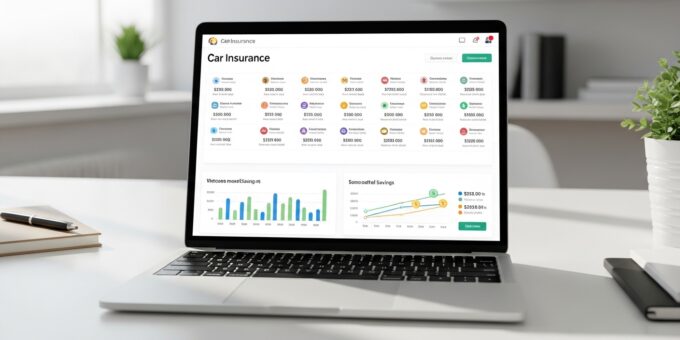
Finding the right car insurance can feel overwhelming. With so many providers, policies, and price points, it’s easy to get confused. However, learning how to compare automotive insurance quotes online can save you hundreds—or even thousands—of dollars each year.
In this guide, you’ll discover simple, proven steps to compare quotes effectively, avoid common mistakes, and secure the best deal for your needs. Whether you’re a first-time buyer or looking to switch providers, this article will help you make smarter decisions.
Why Comparing Automotive Insurance Quotes Online Matters
Not all insurance companies calculate premiums the same way. Two providers can offer drastically different prices for the same coverage. That’s why comparing multiple quotes is essential.
When you compare insurance quotes online, you:
- Save money by finding competitive rates
- Discover better coverage options
- Avoid overpaying for unnecessary features
- Gain transparency in policy terms
Just like starting an online business or exploring affiliate marketing, research and comparison are key to maximizing value.
Step-by-Step Guide: How to Compare Automotive Insurance Quotes Online
1. Gather Your Personal and Vehicle Information
Before you begin comparing quotes, collect all necessary details. This ensures accuracy and prevents misleading estimates.
You’ll typically need:
- Driver’s license information
- Vehicle make, model, and year
- Driving history
- Current insurance details (if applicable)
Accurate data leads to accurate quotes. Small errors can result in price differences later.
2. Understand the Types of Coverage
To compare quotes effectively, you must understand what each policy includes. Common coverage types include:
- Liability Coverage – Covers damages to others
- Collision Coverage – Covers your vehicle after an accident
- Comprehensive Coverage – Protects against theft, fire, or natural disasters
- Uninsured Motorist Coverage – Covers you if the other driver has no insurance
Make sure you’re comparing the same coverage levels across all quotes. Otherwise, the comparison won’t be accurate.
3. Use Trusted Comparison Websites
Online comparison tools simplify the process. They allow you to view multiple quotes in one place.
Some trusted platforms include:
These platforms provide unbiased comparisons and help you quickly identify the best deals.
4. Compare More Than Just Price
While price is important, it shouldn’t be the only factor. The cheapest policy isn’t always the best.
Look at:
- Coverage limits
- Deductibles
- Customer reviews
- Claim process efficiency
Think of it like choosing between affiliate vs dropshipping—the cheapest option isn’t always the most profitable or sustainable.
5. Check Discounts and Bundles
Many insurers offer discounts that can significantly reduce your premium. These include:
- Safe driver discounts
- Multi-policy discounts (home + auto)
- Good student discounts
- Low mileage discounts
Always ask about available discounts when comparing quotes.
6. Review the Insurance Company’s Reputation
A low premium doesn’t help if the company has poor customer service. Research the insurer’s reputation before making a decision.
Check:
- Customer reviews
- Claim satisfaction ratings
- Financial strength ratings
Reliable providers ensure peace of mind when you need it most.
Common Mistakes to Avoid When Comparing Insurance Quotes
Ignoring Coverage Details
Many people focus only on price and ignore coverage limits. This can lead to inadequate protection in case of an accident.
Not Comparing Enough Quotes
Comparing just two or three quotes isn’t enough. Aim for at least five different providers to get a clear picture.
Providing Inaccurate Information
Incorrect details can result in inaccurate quotes. Always double-check your information.
Overlooking Deductibles
A lower premium often comes with a higher deductible. Make sure you can afford the out-of-pocket cost if needed.
How Online Comparison Saves You Money
Online tools eliminate the need to contact each insurer individually. This not only saves time but also ensures you’re seeing competitive offers.
By comparing quotes, you can:
- Identify hidden fees
- Find exclusive online discounts
- Customize your coverage
This approach is similar to building passive income streams—small optimizations can lead to significant long-term savings.
Tips to Get the Best Automotive Insurance Deal
Increase Your Deductible
Choosing a higher deductible can lower your premium. Just ensure you can afford it in case of a claim.
Maintain a Good Credit Score
In many states, insurers use credit scores to determine premiums. A higher score often means lower rates.
Drive Safely
A clean driving record helps you qualify for better rates and discounts.
Bundle Your Policies
Combining home and auto insurance can lead to significant savings.
Review Your Policy Annually
Your insurance needs may change over time. Reviewing your policy ensures you’re always getting the best deal.
Online vs Traditional Insurance Comparison
Online comparison offers several advantages over traditional methods:
- Faster results
- More options
- Transparent pricing
- Convenience
Traditional methods, like visiting agents, can still be useful. However, online tools provide a broader perspective and better efficiency.
Is It Safe to Compare Insurance Quotes Online?
Yes, as long as you use reputable websites. Look for secure URLs (https://) and read privacy policies before entering personal information.
Trusted platforms protect your data and provide accurate comparisons.
Final Thoughts
Learning how to compare automotive insurance quotes online is one of the smartest financial decisions you can make. It empowers you to find the best coverage at the most competitive price.
By following the steps in this guide, you can avoid common pitfalls, maximize savings, and choose a policy that truly fits your needs.
Whether you’re managing expenses, building an online business, or exploring opportunities like affiliate marketing or a dropshipping business, saving money on essential costs like insurance helps you invest more in your future.
Start comparing today—and take control of your financial well-being.
