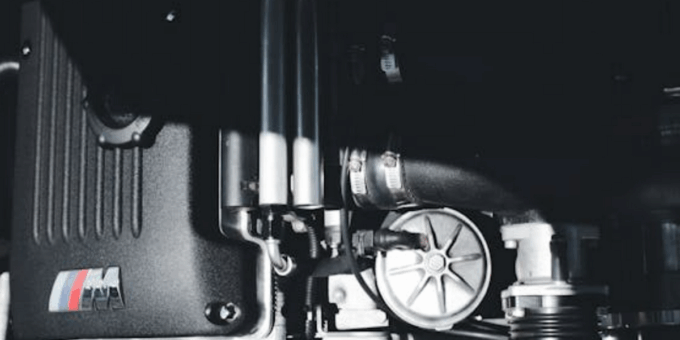
Every car owner dreams of keeping their vehicle running smoothly for years. The secret lies in proper car engine maintenance. Your engine is the heart of your car, and regular maintenance ensures it delivers maximum performance, fuel efficiency, and reliability. Neglecting it can lead to expensive repairs, poor mileage, and even engine failure. This comprehensive guide will show you how to maintain your car engine for peak performance and longevity.
Why Car Engine Maintenance Is Essential
Routine car engine maintenance isn’t just about preventing breakdowns — it’s about enhancing your vehicle’s life and performance. A well-maintained engine runs cleaner, burns fuel efficiently, and reduces harmful emissions. It also keeps other components like the transmission and exhaust system working properly. Think of engine care as an investment that pays back with fewer repairs and better resale value.
1. Regularly Check and Change Engine Oil
Engine oil lubricates internal components and prevents friction damage. Over time, oil breaks down and collects dirt, leading to sludge buildup. This affects performance and can cause irreversible damage. Check your oil level every 1,000 miles and change it every 5,000–7,000 miles (or as per your car’s manual).
When changing oil, always replace the oil filter as well. The filter traps impurities and keeps your oil clean. Using high-quality synthetic oil improves performance, especially for modern engines.
For more details on selecting the right oil for your car, visit motor oil types and selection guide.
2. Keep the Air Filter Clean
A clean air filter allows optimal air intake, improving combustion and performance. Over time, dust and debris can clog the filter, reducing airflow and fuel efficiency. Replace your air filter every 12,000–15,000 miles or sooner if you drive in dusty environments.
Dirty filters cause your engine to “suffocate,” leading to reduced power output. You can easily inspect your filter by removing the air box and holding it to light — if light doesn’t pass through easily, it’s time for a replacement.
3. Monitor and Replace Spark Plugs
Spark plugs ignite the air-fuel mixture inside the cylinders. Worn-out plugs lead to poor ignition, resulting in rough idling, misfires, and decreased performance. During your car engine maintenance routine, inspect and replace spark plugs as recommended by the manufacturer, typically every 30,000 miles.
For high-performance or turbocharged engines, using platinum or iridium spark plugs can enhance performance and fuel efficiency.
4. Maintain the Cooling System
Engines generate immense heat. The cooling system — consisting of the radiator, coolant, and water pump — prevents overheating. Check the coolant level regularly and top it up with a 50/50 mix of antifreeze and distilled water. Flush and replace coolant every two years to avoid corrosion inside the engine.
If your temperature gauge rises frequently, it could indicate a coolant leak or thermostat issue. Don’t ignore these signs, as overheating can cause severe engine damage.
5. Inspect the Belts and Hoses
Belts and hoses are crucial for connecting engine components like the alternator, water pump, and air conditioner. Over time, they can crack or loosen. Inspect them for wear, fraying, or leaks every 6 months. Replacing them before failure prevents costly breakdowns and ensures consistent performance.
6. Use High-Quality Fuel and Fuel Additives
Using quality fuel ensures cleaner combustion and prevents carbon buildup. Low-grade fuel can contain impurities that harm your engine. Occasionally, you can use a fuel system cleaner or additive to remove deposits from injectors and valves. These additives improve mileage and acceleration.
Learn more about effective fuel cleaning additives from best fuel additives for engine performance.
7. Regularly Check the Battery and Electrical System
Your engine relies heavily on the electrical system for ignition and sensors. A weak or corroded battery can lead to starting problems or inconsistent engine performance. Clean the terminals regularly and test your battery’s voltage every few months. Replace old batteries before they fail to avoid getting stranded.
8. Keep an Eye on Engine Warning Lights
Modern vehicles are equipped with sophisticated sensors. When your “Check Engine” light comes on, it’s your car’s way of warning you about potential issues. Don’t ignore it. Use an OBD-II scanner to identify the problem or visit a certified mechanic immediately.
For accurate diagnosis tools, check best OBD-II scanners for car diagnostics.
9. Maintain Proper Tire Pressure and Alignment
While this may not seem directly related to car engine maintenance, it plays a significant role in overall performance. Under-inflated tires make your engine work harder, decreasing fuel efficiency and performance. Regularly check tire pressure and alignment to ensure smooth rides and even power distribution.
10. Schedule Regular Professional Inspections
Even if you perform routine maintenance yourself, scheduling a professional inspection every 6–12 months is vital. Mechanics use specialized tools to detect problems you might miss. They’ll check your timing belt, gaskets, and emissions to ensure your car performs optimally.
Additional Tips for Long-Lasting Engine Performance
- Warm up your engine before driving in cold weather.
- Avoid frequent short trips; they prevent your engine from reaching optimal operating temperature.
- Use the correct grade of fuel and oil recommended by your manufacturer.
- Regularly wash the engine bay to remove dust and oil residue.
Final Thoughts
Taking care of your car’s engine doesn’t require mechanical expertise — just consistency. Routine car engine maintenance not only saves money but also ensures smooth driving and longer vehicle life. Remember, a clean, well-maintained engine performs better, pollutes less, and gives you peace of mind every time you hit the road.
Stay proactive and keep your engine in top shape. For professional advice and guides, visit car maintenance and performance tips.
