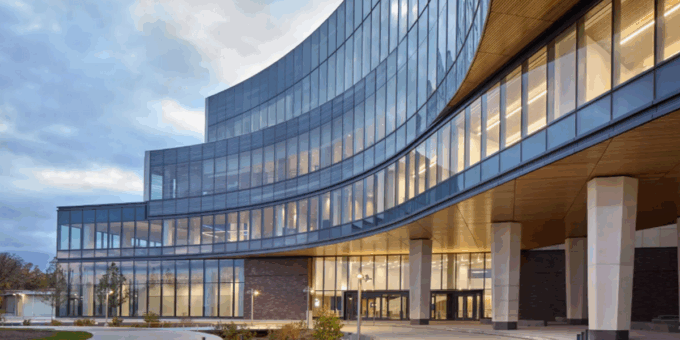
Ford Motor Company is reshaping its future with a bold move: the redesign of Ford’s new world headquarters. This transformation is not just about upgrading office spaces. It reflects a shift toward innovation, comfort, and a workplace culture designed to attract top global talent.
The newly developed headquarters gives employees more than a place to work. It offers curated dining experiences, advanced design labs, collaborative open spaces, and technology-driven environments. From scratch kitchens to immersive design studios, Ford aims to redefine what a modern headquarters should be.
In this article, we take you inside the new campus to explore the features, design secrets, sustainability efforts, and how this development supports Ford’s long-term strategy. Throughout this post, you will find strategically placed links such as
modern workplace design,
automotive industry innovation, and
corporate innovation trends
for additional insights.
A New Era for Ford’s Corporate Culture
The redesign of Ford’s new world headquarters aligns with the company’s broader mission: to transform mobility and prepare for an electric, connected future. The headquarters serves as the physical embodiment of Ford’s pursuit of progress. It blends advanced technology with human-centered design, supporting productivity while ensuring employee well-being.
In a highly competitive global talent market, leading companies must create workplaces that prioritize comfort, efficiency, and creativity. Ford understands this necessity and has integrated multiple features aimed at inspiring its workforce. These include natural lighting, flexible seating, fitness facilities, tech-driven meeting environments, and community-focused spaces.
Scratch Kitchens and Rotisserie Stations: A New Culinary Experience
One of the biggest surprises inside Ford’s new world headquarters is the culinary upgrade. The campus features scratch kitchens where chefs prepare fresh meals every day. Employees no longer rely on basic cafeterias. Instead, they can enjoy freshly cooked dishes, global cuisine, healthy options, and customizable meals.
The headquarters also includes rotisserie stations featuring premium proteins, vegetables, and artisan-style cooking. This aligns with Ford’s focus on wellness. A balanced work environment acknowledges food as a key contributor to productivity and morale.
High-quality dining options are becoming a standard for major corporations, similar to innovations seen in top-tier tech campuses. These dining spaces are not mere add-ons. They represent cultural investments. By offering inviting food zones, Ford strengthens its internal community while encouraging collaboration during meals.
Design Secrets Behind the Headquarters Transformation
The architecture and interior design of Ford’s new world headquarters are the result of deep strategic planning. Ford collaborated with leading designers to create an ecosystem that supports engineering excellence and future-focused creativity.
Open Collaboration Zones
One of the most notable design elements is the addition of open collaboration zones. These spaces encourage spontaneous interaction, idea exchange, and teamwork. Soft seating, natural finishes, and mobility-friendly layouts allow teams to assemble quickly without the limitations of traditional meeting rooms.
Human-Centered Interior Design
The interiors are designed with employee comfort in mind. Natural light flows through large windows. Biophilic elements—like indoor plants and organic textures—create a calming environment. Such design choices enhance focus, reduce stress, and improve productivity.
Technology-Enhanced Workspaces
The new headquarters integrates advanced digital infrastructure. Smart conference rooms support real-time global collaboration. Touchless systems and energy-efficient lighting systems contribute to a seamless experience. These upgrades help Ford stay competitive, especially in an age where remote and hybrid work play major roles.
Design Labs and Engineering Studios
The most crucial spaces within Ford’s new world headquarters are its engineering and design labs. These studios allow teams to prototype, evaluate, and refine vehicle concepts. The labs foster creativity and ensure rapid testing cycles, particularly important as Ford accelerates electric vehicle development.
Sustainability at the Core
Sustainability is another pillar of Ford’s new campus transformation. The company has committed to reducing its carbon footprint, and this commitment is evident throughout the headquarters.
Energy Efficiency
LED lighting, adaptive climate control, advanced insulation, and solar integration contribute to Ford’s energy-saving initiatives. These improvements also reduce operational costs, making the building financially sustainable.
Recycled Materials
The structure incorporates recycled and low-impact materials, a growing trend in corporate construction. These materials not only reduce environmental impact but also align with Ford’s ESG (Environmental, Social, Governance) goals.
Waste Reduction Programs
Ford’s culinary spaces also promote waste reduction. Scratch kitchens use optimized ingredient management systems. Composting programs reduce food waste. These steps mirror Ford’s commitment to green operations.
The Role of the Headquarters in Ford’s Future
The redesigned headquarters is more than a workplace. It is a strategic asset. As Ford transitions toward electric vehicles, autonomous technology, and global digital ecosystems, the headquarters plays a key role in streamlining operations, creativity, and collaboration.
Supporting Electric Vehicle Innovation
The engineering hubs inside Ford’s new world headquarters support the development of next-generation EVs. Engineers have access to advanced tools and improved testing environments, allowing them to work more efficiently.
Enhancing Cross-Team Collaboration
The open layout makes it easier for designers, software engineers, and mechanical experts to brainstorm together. This integrated approach accelerates innovation across Ford’s product lines.
A Magnet for Top Talent
A modern campus gives Ford a competitive edge in attracting young professionals, tech experts, and creative innovators. The new headquarters demonstrates Ford’s investment in people and pushes the company closer to becoming a mobility leader.
How Ford’s Headquarters Compares to Other Corporate Campuses
Ford’s approach mirrors strategies used by companies like Google, Apple, and Tesla, where campuses are built to cultivate creativity. As corporations focus on talent attraction and well-being, modern headquarters play a central role in shaping company culture.
However, Ford’s advantage lies in its balance of tradition and innovation. By keeping its historical identity while integrating modern design methods, Ford creates a unique environment that supports long-term growth.
Readers interested in how corporate architecture influences performance can explore more insights on
corporate building trends.
Why Workplace Culture Matters
The redesign of Ford’s new world headquarters shows that workplace culture is critical in today’s business landscape. Employees expect environments that support innovation, comfort, and flexibility. Companies that invest in modern HQs show commitment to long-term success.
In industries experiencing rapid transformation—like automotive—workplace culture can make the difference between leading and falling behind. Ford’s investment reflects its understanding of this dynamic.
Final Thoughts
Ford’s new world headquarters sets a new standard for corporate innovation. With scratch kitchens, rotisserie dining, open collaboration zones, design studios, and sustainability-led operations, the headquarters brings together everything a modern workforce needs.
As Ford moves deeper into electric mobility and digital transformation, this campus will serve as the company’s creative engine. It represents the future of workplace design and Ford’s commitment to progress.
For more insights on workplace innovation and trends shaping the future of mobility, check resources like
future of work research and
industry transformation news.
