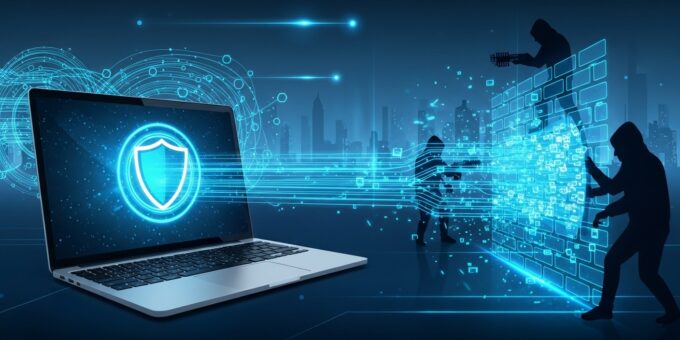
In today’s digital world, protecting your personal data has become more important than ever. Cybercriminals constantly search for new ways to steal sensitive information such as passwords, financial records, and personal identities. Whether you run an online business, earn passive income, or simply browse the web, your personal data can be at risk without proper protection.
This guide explains How to Protect Your Personal Data Online with Advanced Cybersecurity Tools. You will learn practical strategies, the best security tools, and proven techniques to secure your digital life. By following these steps, you can minimize cyber risks and maintain control over your personal information.
Why Personal Data Protection Matters
Your personal data includes sensitive information such as login credentials, financial data, email addresses, and private documents. If hackers gain access to this data, they can commit identity theft, financial fraud, or even take control of your digital accounts.
For people running an online business, protecting personal data is even more critical. Entrepreneurs involved in affiliate marketing, running a dropshipping business, or building passive income streams often manage multiple accounts and financial transactions online. Without proper cybersecurity measures, a single data breach can damage your business and reputation.
Common Online Threats That Target Personal Data
Understanding common cyber threats is the first step in protecting yourself online. Here are some of the most frequent dangers:
1. Phishing Attacks
Phishing emails attempt to trick users into revealing sensitive information. These emails often appear to come from trusted companies such as banks or payment providers.
Hackers may send fake links asking you to log in and verify your account. Once you enter your credentials, attackers gain access to your data.
2. Malware and Spyware
Malware refers to malicious software designed to damage or monitor your device. Spyware secretly collects personal data and sends it to cybercriminals.
This can include passwords, browsing history, and financial information.
3. Weak Passwords
Many people use simple passwords that hackers can easily guess. Using the same password across multiple websites increases the risk of data breaches.
4. Public Wi-Fi Risks
Public Wi-Fi networks are convenient but often insecure. Cybercriminals can intercept data transmitted through these networks.
This means your login credentials or banking information may be exposed when using public internet connections.
Best Cybersecurity Tools to Protect Your Personal Data
Advanced cybersecurity tools provide strong protection against digital threats. Below are some of the most effective tools available today.
Password Managers
A password manager securely stores all your login credentials in an encrypted vault. Instead of remembering dozens of passwords, you only need one master password.
Password managers also generate strong and unique passwords for each account. This greatly reduces the risk of hacking.
You can explore reliable options at
https://www.lastpass.com
Virtual Private Networks (VPN)
A VPN encrypts your internet connection and hides your IP address. This prevents hackers from tracking your online activities or stealing your data.
VPNs are especially important when using public Wi-Fi networks. They create a secure tunnel for your data transmission.
Learn more about VPN protection at
https://www.expressvpn.com/what-is-vpn
Antivirus and Anti-Malware Software
Antivirus software detects and removes malicious programs from your device. Advanced security tools also provide real-time protection against new threats.
Modern antivirus solutions include ransomware protection, phishing detection, and firewall monitoring.
You can explore trusted antivirus solutions at
https://www.kaspersky.com
Two-Factor Authentication (2FA)
Two-factor authentication adds an extra layer of security to your accounts. Even if hackers obtain your password, they cannot access your account without the second verification step.
This second factor may include:
• SMS verification codes
• Authentication apps
• Hardware security keys
Using 2FA is one of the easiest ways to strengthen your digital security.
How Entrepreneurs Can Protect Business and Personal Data
Digital entrepreneurs face higher cybersecurity risks because they manage payment systems, customer data, and marketing platforms.
If you run an affiliate marketing website or a dropshipping business, you likely use multiple platforms such as payment processors, email marketing tools, and analytics software.
For example, when comparing business models such as affiliate vs dropshipping, both require online accounts, payment systems, and marketing platforms. Without proper cybersecurity measures, attackers may gain access to these systems and steal business data.
Protecting personal and business data is therefore essential for anyone building passive income through digital platforms.
Practical Tips to Improve Your Online Security
In addition to cybersecurity tools, daily habits play a major role in protecting your data.
Use Strong and Unique Passwords
Create long passwords that include letters, numbers, and special characters. Avoid using personal information such as your birthday or name.
A password manager can help generate and store secure passwords automatically.
Update Software Regularly
Software updates often include security patches that fix vulnerabilities. Outdated systems are one of the easiest targets for cybercriminals.
Always keep your operating system, apps, and browsers updated.
Be Careful with Email Attachments
Never open attachments from unknown senders. Malicious files may install spyware or ransomware on your device.
If an email appears suspicious, verify it directly with the company before clicking any links.
Monitor Your Financial Accounts
Regularly check your bank and payment accounts for unusual activity. Early detection can prevent significant financial losses.
This step is especially important for entrepreneurs managing payments for online business transactions.
Protecting Your Data on Social Media
Social media platforms contain a large amount of personal information. Cybercriminals often collect data from public profiles to launch targeted attacks.
Follow these tips to stay safe:
• Limit the personal details visible on your profile
• Use strong passwords for social media accounts
• Enable two-factor authentication
• Avoid sharing sensitive information publicly
These precautions reduce the risk of identity theft and account hacking.
Backup Strategies for Personal Data
Even with strong cybersecurity tools, data loss can still occur due to device failure or cyberattacks.
Creating regular backups ensures you never lose important files.
Cloud Backup Services
Cloud storage allows you to store files securely online. This makes it easy to recover data if your device is compromised.
Popular cloud backup solutions include services like
https://www.backblaze.com
External Storage Devices
External hard drives provide an additional layer of backup protection. Keeping an offline backup prevents ransomware attacks from destroying your data.
The Future of Cybersecurity and Data Protection
Cybersecurity technology continues to evolve rapidly. Artificial intelligence and machine learning now play a major role in detecting cyber threats.
Advanced security systems can analyze behavior patterns and identify suspicious activity before attacks occur.
For individuals building passive income or running an online business, adopting modern cybersecurity tools will become even more important in the coming years.
Digital security is no longer optional. It is a fundamental requirement for protecting both personal and financial data.
Conclusion
Understanding How to Protect Your Personal Data Online with Advanced Cybersecurity Tools is essential in the modern digital landscape. Cyber threats continue to grow, but the right tools and habits can significantly reduce your risk.
By using password managers, VPNs, antivirus software, and two-factor authentication, you create strong defenses against cybercriminals.
Whether you are managing personal accounts, building an online business, exploring affiliate marketing, or running a dropshipping business, protecting your personal data should always be a top priority.
Investing in cybersecurity today helps protect your identity, finances, and digital future.
