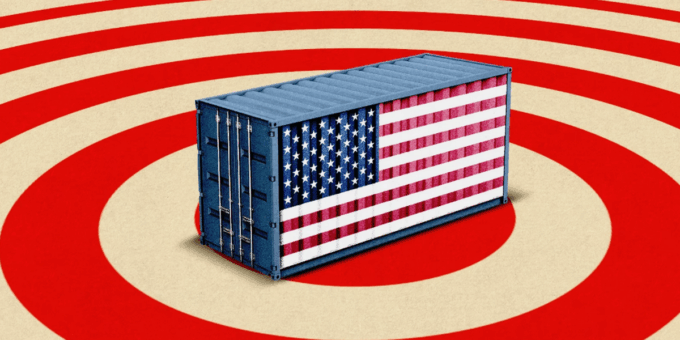
For decades, the U.S. economy has thrived on low-cost imports. Most of what Americans buy, wear, or use every day comes from overseas manufacturing hubs where labor is cheaper and production is faster. This long-standing dependence has shaped consumer habits, corporate strategies, and even national policy.
But a new debate has emerged: Will Trump’s trade war break America’s addiction to cheap stuff, or simply make everyday goods more expensive without fixing the core problem?
The answer depends on how tariffs reshape manufacturing, supply chains, and consumer expectations in the years ahead.
US trade policy analysis
global supply chain report
economic competitiveness data
Why America Became Addicted to Cheap Stuff
Cheap imports have become the backbone of American consumer culture. The move began decades ago when companies realized they could cut production costs by shifting manufacturing overseas. Lower prices meant higher sales volume, and shoppers quickly embraced the endless stream of low-cost goods.
Corporate Incentives
Retail giants optimized their entire business models around low-cost global supply chains. Large stores expanded selections, slashed prices, and trained customers to expect more for less.
Meanwhile, companies used the savings to invest in higher profit areas like online business, logistics, and digital infrastructure. Even models like affiliate marketing, affiliate vs dropshipping, and passive income ecosystems rely heavily on a steady supply of cheap imported goods.
Consumer Expectations
Americans now expect fast shipping, low prices, and endless choices. This system works because retailers rely on imports from cost-efficient markets. Without these, many product categories—electronics, apparel, home goods—would cost far more.
What Trump’s Trade War Tries to Change
The central goal of the trade war is straightforward: reduce dependence on foreign manufacturing, encourage domestic production, and protect American jobs. The strategy relies on tariffs—taxes on imported goods—to make foreign items more expensive, pushing companies to manufacture in the U.S.
In theory, this could break the cycle of relying on ultra-cheap imports. In practice, the path is far more complex.
Tariffs Increase Costs
Tariffs make imported goods more expensive for businesses and consumers. Companies that depend on foreign parts or materials face higher costs, which often get passed on to buyers. That means prices rise on everything from sneakers to smartphones.
Many small sellers, including those in the dropshipping business or online business sectors, rely heavily on overseas suppliers. Tariffs disrupt these models and reduce profit margins.
Pressure to Relocate Manufacturing
Supporters argue that if it becomes too expensive to import, companies will bring manufacturing back home. This could boost industrial jobs and reduce reliance on global supply chains.
However, building factories in the U.S. requires time, capital, and a skilled workforce. Not all industries can shift production quickly, and some will never be cost-competitive domestically.
Will Americans Accept Higher Prices?
If tariffs continue, everyday items may become more expensive. The critical question is whether Americans are willing to pay more for locally produced goods.
A Culture Built on Low Prices
Low-cost consumption is deeply ingrained in American shopping habits. Even when surveys show support for domestic production, shoppers still choose the cheaper option at checkout.
This is especially true for online marketplaces built on mass imports. Many sellers rely on cheap items to maintain margins in online business models like dropshipping business.
Consumers Want Affordability, Not Ideology
Most households prioritize budget over policy principles. Tariffs that increase prices on necessities—clothing, electronics, household goods—face significant pushback.
So far, Americans have shown little willingness to pay more simply to reduce reliance on foreign suppliers.
The Global Supply Chain Can’t Change Overnight
Even with tariffs, companies can’t immediately rebuild the domestic manufacturing network that took decades to move overseas. Supply chains involve thousands of factories, millions of workers, and complex international logistics.
Alternative Markets Are Still Cheaper
Shifting production from China to nations like Vietnam, India, or Mexico still results in cheaper costs compared to U.S. manufacturing. Many U.S. companies are already diversifying, but not bringing operations home.
This means tariffs may simply reroute trade—not eliminate dependency on cheaper global markets.
Domestic Manufacturing Challenges
Even if companies want to bring production home, the U.S. faces hurdles:
- High labor costs
- Shortage of industrial workers
- Environmental and regulatory constraints
- Massive startup costs for factory construction
These obstacles mean the U.S. can’t immediately produce goods at scale or at prices consumers expect.
How the Trade War Affects Small Businesses and Online Sellers
Tariffs hit small entrepreneurs hardest. Many rely on foreign suppliers through platforms like Alibaba for their dropshipping business or affiliate marketing-based storefronts.
Higher Import Costs
Increases in wholesale prices squeeze margins and limit product selection. Sellers may struggle to compete against bigger companies that can absorb higher costs.
Slower Supply Chains
Businesses built on fast fulfillment face delays due to inspection backlogs, tariff paperwork, and suppliers shifting factories to new countries.
Reduced Competitiveness
One of the selling points of affiliate vs dropshipping models is offering low-cost products. Tariffs undermine that advantage and force many sellers to rethink business strategies.
Could the Trade War Spark a Manufacturing Revival?
While a full return to 20th-century manufacturing dominance is unlikely, tariffs may encourage investment in certain strategic sectors—like technology, defense, and energy.
Companies are already exploring automation-heavy facilities that reduce reliance on low-wage labor. However, these factories create fewer jobs than traditional manufacturing once did.
Will the Trade War Break America’s Addiction to Cheap Stuff?
In its current form, the trade war alone won’t end America’s reliance on inexpensive imports. It may raise prices, restructure some supply chains, and encourage domestic investment—but breaking the addiction requires deeper systemic change.
What Would Need to Happen?
- Massive investment in U.S.-based manufacturing
- Automation to reduce labor costs
- Government incentives for companies that produce locally
- Consumer willingness to pay more for domestic products
- Retailers adjusting business models away from ultra-cheap goods
Without these shifts, tariffs alone simply raise prices without addressing root causes.
The Future: A Hybrid Economy
Most experts predict a mixed approach moving forward. The U.S. may produce more strategic products domestically while still relying heavily on foreign manufacturing for low-cost consumer goods.
This hybrid model allows America to strengthen supply chain resilience without fully abandoning imported goods.
In the end, Will Trump’s Trade War Break America’s Addiction to Cheap Stuff? Probably not entirely—but it may push the country toward a more balanced, diversified manufacturing future.
