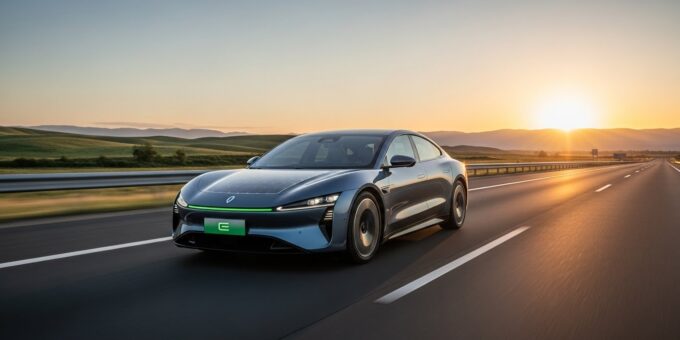
Many drivers want to save fuel and improve mileage without spending money on expensive upgrades. The good news is that smart driving habits can significantly reduce fuel use. In 2026, fuel-efficient driving matters more than ever thanks to rising prices, advanced vehicle technology, and the growing need for sustainable travel.
This guide explains how to boost your fuel economy using simple habits anyone can follow. These methods are easy, practical, and effective for both new and experienced drivers.
Why Saving Fuel Matters in 2026
Fuel prices continue to fluctuate, and global transportation trends are shifting. Many drivers are now looking for ways to cut costs and reduce emissions. Improving your mileage helps you save money while making your car last longer. Good driving habits also reduce stress on your engine and help maintain smooth performance.
Whether you drive a gas, hybrid, or compact vehicle, you can benefit from these fuel-saving techniques.
Top Simple Driving Habits That Help You Save Fuel and Improve Mileage
1. Accelerate Smoothly and Avoid Sudden Speed Bursts
Quick acceleration forces your engine to burn more fuel. When you press too hard on the gas pedal, your engine works harder than necessary. Instead, apply steady pressure and allow your car to build speed gradually. Smooth acceleration improves fuel efficiency by up to 20 percent in city driving.
Maintaining a calm driving style helps you control your speed and reduces the need to brake aggressively. These small adjustments add up to major fuel savings over time.
2. Maintain a Steady Speed Whenever Possible
Constant speed changes increase fuel consumption. Keeping your speed steady allows the engine to run efficiently. Cruise control is helpful on highways because it prevents unnecessary acceleration. Many cars in 2026 also include eco-mode driving features. These tools optimize your speed and limit engine strain.
Driving smoothly is one of the easiest ways to save fuel and improve mileage on long trips.
3. Reduce Excess Weight in Your Vehicle
Carrying unnecessary items in your trunk adds weight. Extra weight forces your engine to work harder, which increases fuel use. Removing tools, bags, or equipment you don’t need helps lighten the load. Even removing 50 pounds can make a noticeable difference in fuel efficiency.
Roof racks and cargo boxes also create wind resistance. Removing them when not in use improves aerodynamics and helps your car move more efficiently.
4. Keep Your Tires Properly Inflated
Underinflated tires increase rolling resistance. This makes your engine burn more fuel. Check your tire pressure at least twice a month, especially in extreme temperatures. Proper tire pressure improves safety, handling, and mileage.
Follow your manufacturer’s recommended PSI levels. Even a small underinflation can reduce fuel economy by several miles per gallon.
5. Follow a Preventive Maintenance Schedule
Routine maintenance helps engines run cleaner and smoother. Dirty air filters, old oil, and worn spark plugs reduce efficiency. In 2026, vehicles have advanced diagnostic systems that alert drivers about maintenance needs. Paying attention to these warnings can protect your engine and increase mileage.
Changing your oil on time, using the correct grade, and maintaining clean filters all contribute to lower fuel consumption.
6. Plan Efficient Routes and Avoid Heavy Traffic
Stop-and-go traffic burns more fuel than smooth-flowing roads. Planning your routes helps minimize idling and unnecessary detours. Many navigation apps now offer eco-friendly route suggestions. These routes help you save time and fuel by avoiding congested areas.
Smart route planning is especially useful for daily commutes or long road trips.
7. Limit Air Conditioning When Possible
Air conditioning requires energy from your engine. Using it constantly increases fuel burn. Although comfort is important, try setting your AC to a moderate level. Using the recirculate function also reduces energy use.
At low speeds, it’s often more efficient to open windows. At highway speeds, windows create drag, so AC becomes the better option.
8. Avoid Prolonged Idling
Idling wastes fuel and provides no benefit to your vehicle. If you expect to wait longer than 60 seconds, it’s better to turn off the engine. Modern engines are designed to restart efficiently, and doing so saves more fuel than idling.
Most 2026 cars also include start-stop technology. This automatically shuts the engine off when stopped and restarts it when you press the accelerator.
9. Use Higher Gears When Appropriate
Driving at high RPMs uses more fuel. Shifting into higher gears earlier helps reduce engine strain. Automatic transmissions adjust gears automatically, but manual drivers must be more attentive.
Keeping your engine in its optimal RPM range improves mileage and reduces wear.
10. Drive with Anticipation and Maintain Safe Distance
Looking ahead and predicting traffic movement helps you drive smoothly. Maintaining a safe distance reduces the need for sudden braking. Gentle braking lowers fuel use and makes your drive safer.
Anticipation is a key part of fuel-efficient driving. It reduces stress and keeps your vehicle operating at peak efficiency.
Bonus Tip: Improve Your Income With Fuel-Saving Knowledge
While learning how to save fuel and improve mileage helps you save money personally, you can also turn your knowledge into content or an online business. Many drivers search for advice about fuel-saving strategies. Creating blogs, videos, or digital guides can help you earn passive income.
Topics related to affiliate marketing, affiliate vs dropshipping, and starting a dropshipping business often connect well with car care audiences. For example, you can recommend fuel-saving gadgets, eco-friendly car products, or maintenance tools using affiliate links.
This approach helps you combine driving knowledge with profitable online strategies. Fuel-saving topics attract an audience because they help readers cut real costs.
Final Thoughts
Saving fuel in 2026 doesn’t require expensive equipment or complicated upgrades. Small changes in your driving habits can dramatically improve mileage. By accelerating smoothly, maintaining steady speed, planning routes, and keeping your vehicle well-maintained, you save both fuel and money.
Adopting these simple habits improves your driving experience, protects the environment, and reduces long-term vehicle expenses. Start applying these methods today and enjoy the benefits of smarter driving.
