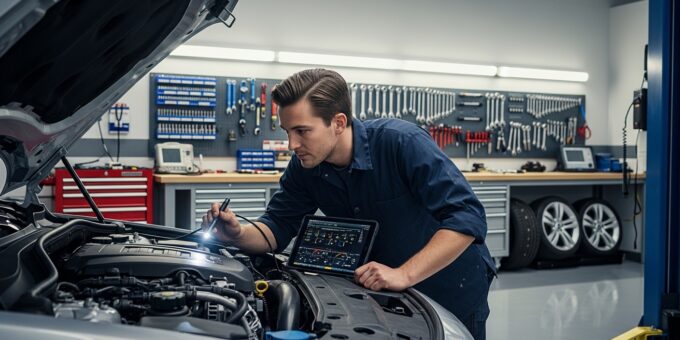
How to Maintain Your Car Like a Pro and Avoid Expensive Repairs is a must-know skill for every vehicle owner. Proper maintenance not only extends your car’s lifespan but also saves you thousands of dollars in unexpected repair costs. Whether you drive daily or occasionally, following a smart maintenance routine can make a significant difference.
In this guide, you’ll learn professional-level car care tips that are easy to follow. With consistent effort, you can prevent breakdowns, improve fuel efficiency, and protect your investment.
Why Regular Car Maintenance Matters
Regular maintenance keeps your car running smoothly and safely. Ignoring small issues often leads to bigger, more expensive problems. For example, skipping oil changes can damage your engine over time.
Just like building a passive income stream or running an online business, consistency is key. Small, regular actions lead to long-term success and savings.
Follow a Routine Maintenance Schedule
The first step in learning How to Maintain Your Car Like a Pro and Avoid Expensive Repairs is to follow a maintenance schedule. Your car manufacturer provides a recommended service timeline in the owner’s manual.
Basic Maintenance Timeline
Here is a simple guideline you can follow:
- Every 5,000–7,500 miles: Oil and filter change
- Every 10,000–15,000 miles: Tire rotation
- Every 20,000–30,000 miles: Air filter replacement
- Every 30,000–60,000 miles: Brake inspection
- Every 60,000–100,000 miles: Transmission service
For a detailed maintenance checklist, visit Consumer Reports Car Maintenance Guide.
Check and Change Engine Oil Regularly
Engine oil is the lifeblood of your car. It lubricates moving parts and prevents overheating. Dirty oil reduces performance and increases engine wear.
Make it a habit to check your oil level monthly. If the oil appears dark or dirty, it’s time for a change. Using high-quality oil can significantly improve engine performance and longevity.
Maintain Proper Tire Care
Your tires affect safety, fuel efficiency, and driving comfort. Neglecting them can lead to uneven wear or even blowouts.
Tire Maintenance Tips
- Check tire pressure weekly
- Rotate tires every 10,000 miles
- Inspect for cracks or uneven wear
- Align wheels annually
Proper tire maintenance ensures better traction and saves money on replacements.
Keep Your Brakes in Top Condition
Brakes are one of the most critical safety components of your car. Worn brake pads can damage rotors and increase stopping distance.
Listen for unusual noises like squealing or grinding. These sounds indicate it’s time for an inspection. Replacing brake pads early is much cheaper than fixing major brake damage.
Replace Air Filters on Time
Your car has two main air filters: the engine air filter and the cabin air filter. Both play important roles.
- Engine air filter: Keeps dirt out of the engine
- Cabin air filter: Improves air quality inside the car
Replacing these filters regularly improves performance and fuel efficiency.
Monitor Fluid Levels
Your vehicle relies on several fluids to function properly. Ignoring them can lead to serious damage.
Essential Fluids to Check
- Engine oil
- Coolant
- Brake fluid
- Transmission fluid
- Power steering fluid
Low or dirty fluids can cause overheating, poor braking, or transmission failure.
Keep Your Battery Healthy
A dead battery can leave you stranded at the worst time. Most car batteries last 3–5 years, but regular checks can extend their life.
Clean the terminals and ensure connections are tight. If your car struggles to start, it may be time for a replacement.
Don’t Ignore Warning Lights
Modern cars are equipped with advanced diagnostic systems. When a warning light appears, it’s your car asking for attention.
Ignoring these signals can lead to costly repairs. Address issues immediately to avoid further damage.
Wash and Protect Your Car
Keeping your car clean is not just about appearance. Dirt, salt, and debris can damage paint and cause rust.
Wash your car regularly and apply wax to protect the exterior. Interior cleaning also prevents wear and maintains value.
Drive Smart to Reduce Wear and Tear
Your driving habits have a direct impact on your car’s condition. Aggressive driving increases stress on the engine, brakes, and tires.
Smart Driving Tips
- Avoid sudden acceleration
- Brake smoothly
- Maintain steady speeds
- Warm up the engine in cold weather
Driving responsibly is one of the easiest ways to avoid expensive repairs.
Invest in Professional Inspections
Even if you follow all maintenance steps, professional inspections are essential. Mechanics can identify hidden issues before they become serious.
Think of it like managing an affiliate marketing strategy or a dropshipping business. Expert insights can help you avoid costly mistakes and improve performance.
Use High-Quality Parts and Products
Cheap parts may save money upfront but often lead to frequent replacements. Investing in quality components ensures durability and better performance.
Always choose trusted brands and follow manufacturer recommendations.
Keep Records of Maintenance
Maintaining a service record helps you track what has been done and what needs attention. It also increases resale value.
Buyers prefer cars with a documented maintenance history, as it shows reliability and care.
Learn Basic DIY Maintenance
You don’t need to be a mechanic to handle simple tasks. Learning basic DIY skills can save time and money.
Easy DIY Tasks
- Checking oil levels
- Replacing air filters
- Changing wiper blades
- Inspecting tire pressure
These small actions can prevent bigger problems and reduce repair costs.
Plan for Seasonal Maintenance
Different seasons affect your car in different ways. Preparing your vehicle for weather changes is essential.
Seasonal Tips
- Winter: Check battery and antifreeze
- Summer: Inspect cooling system
- Rainy season: Ensure wipers and tires are in good condition
Seasonal care ensures your car performs well all year round.
How Maintenance Saves You Money
Many drivers avoid maintenance to save money, but this approach often backfires. Preventive care is always cheaper than major repairs.
For example, replacing brake pads early is much less expensive than repairing damaged rotors. Similarly, regular oil changes prevent costly engine repairs.
This principle is similar to choosing between affiliate vs dropshipping. Smart planning and consistent effort lead to better financial outcomes.
Final Thoughts
Mastering How to Maintain Your Car Like a Pro and Avoid Expensive Repairs is not complicated. It requires consistency, attention to detail, and a proactive approach.
By following a regular maintenance schedule, driving responsibly, and addressing issues early, you can extend your car’s lifespan and save money. Treat your car as an investment, and it will reward you with reliability and performance for years to come.
Start implementing these tips today and enjoy a smoother, safer, and more cost-effective driving experience.
