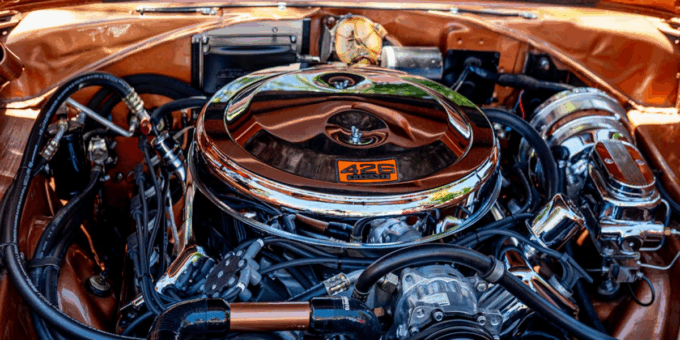
Your car’s engine is its most valuable and expensive component. Knowing how to extend your car engine life with simple preventive maintenance can save you thousands of dollars in repairs while ensuring reliable performance for years. The good news is that engine longevity does not require advanced mechanical skills or costly upgrades. With consistent habits and smart maintenance choices, you can dramatically increase your engine’s lifespan.
This guide explains practical, easy-to-follow preventive maintenance steps that any car owner can apply. Each section focuses on clear actions that improve engine health, boost fuel efficiency, and protect long-term resale value.
Why Preventive Maintenance Matters for Engine Longevity
Engines fail early mainly due to neglect. Dirty oil, overheating, worn belts, and ignored warning signs slowly damage internal components. Preventive maintenance addresses small issues before they turn into major failures.
Regular care reduces friction, controls heat, and keeps parts properly lubricated. It also helps you identify problems early, when repairs are still affordable. This proactive approach is similar to building passive income in an online business—small, consistent efforts deliver long-term rewards.
Follow a Strict Engine Oil Maintenance Schedule
Why Engine Oil Is Critical
Engine oil lubricates moving parts, reduces friction, and removes contaminants. Old or dirty oil causes metal parts to grind against each other, accelerating wear.
To extend engine life, change your oil at the interval recommended in your owner’s manual. For most vehicles, this ranges from 5,000 to 10,000 kilometers depending on oil type and driving conditions.
Choose the Right Oil
Always use the correct oil grade specified by the manufacturer. Using the wrong viscosity can reduce lubrication efficiency and increase engine stress.
For detailed oil recommendations, consult trusted automotive resources like engine oil change intervals guide.
Keep the Engine Cool and Prevent Overheating
Heat is one of the biggest enemies of engine longevity. Overheating can warp engine components, damage head gaskets, and cause permanent failure.
Check Coolant Levels Regularly
Inspect coolant levels monthly and top up when necessary. Coolant prevents overheating and protects against corrosion inside the engine.
Flush and replace coolant according to your manufacturer’s schedule. Old coolant loses effectiveness and can damage internal passages.
Inspect Radiator and Hoses
Cracked hoses or clogged radiators reduce cooling efficiency. Replace worn hoses early to avoid sudden breakdowns.
Replace Air Filters for Cleaner Combustion
Your engine needs clean air for proper combustion. A clogged air filter restricts airflow, reduces fuel efficiency, and increases engine strain.
Replace the engine air filter every 12,000 to 15,000 kilometers, or sooner if you drive in dusty conditions. This simple step improves performance and protects internal components.
Clean airflow also supports better fuel economy, which lowers operating costs and mirrors the efficiency goals found in affiliate marketing and dropshipping business models.
Use Quality Fuel and Avoid Running on Empty
Low-quality fuel often contains impurities that can clog fuel injectors and harm combustion efficiency.
Choose Reputable Fuel Stations
Fill up at trusted stations to minimize contamination. Periodically using fuel system cleaners can also help maintain injector performance.
Do Not Drive on Empty
Running your tank near empty allows sediment from the bottom of the tank to enter the fuel system. This can damage fuel pumps and injectors.
Automotive organizations like fuel system maintenance tips explain why keeping at least a quarter tank is best for engine health.
Pay Attention to Warning Lights and Unusual Sounds
Dashboard warning lights exist to protect your engine. Ignoring them often leads to severe damage.
Respond Quickly
If the check engine light appears, diagnose it as soon as possible. Many issues are minor when addressed early.
Unusual knocking, ticking, or grinding noises also indicate potential problems. Addressing these signs early can prevent catastrophic failure.
Warm Up and Drive Gently
Modern engines do not require long warm-up periods. However, aggressive driving immediately after startup increases engine wear.
Drive gently for the first few minutes to allow oil to circulate properly. Avoid high RPMs until the engine reaches normal operating temperature.
Consistent gentle driving habits significantly extend engine life over time.
Maintain Belts, Chains, and Spark Plugs
Timing Belts and Chains
Timing belts and chains synchronize engine components. Failure can cause severe internal damage.
Replace timing belts at manufacturer-recommended intervals. Chains typically last longer but still require inspection.
Spark Plug Replacement
Worn spark plugs cause misfires, poor fuel economy, and increased engine stress. Replace them according to schedule to maintain smooth combustion.
Keep the Engine Clean Inside and Out
Sludge buildup inside the engine restricts oil flow and increases wear. Regular oil changes prevent sludge formation.
Externally, keep the engine bay clean to spot leaks early and prevent debris buildup. Avoid direct high-pressure water on electrical components.
Follow the Manufacturer’s Maintenance Schedule
Your owner’s manual is the most reliable maintenance guide for your vehicle. It outlines service intervals for fluids, filters, and inspections.
Sticking to this schedule ensures every system supporting your engine works efficiently. This structured approach mirrors successful strategies used in affiliate vs dropshipping comparisons—following proven frameworks delivers better results.
Store and Drive Your Car Smartly
Long periods of inactivity can harm your engine. If you drive infrequently, start the engine weekly to circulate fluids.
For long-term storage, use fuel stabilizers and maintain proper tire pressure. Smart storage prevents corrosion and internal damage.
Final Thoughts on Extending Engine Life
Learning how to extend your car engine life with simple preventive maintenance is one of the smartest decisions a vehicle owner can make. These habits require minimal effort but deliver maximum long-term benefits.
Consistent oil changes, proper cooling, clean air, quality fuel, and early problem detection work together to protect your engine. Over time, these small actions translate into fewer repairs, better performance, and higher resale value.
For broader vehicle care insights, explore resources like car maintenance best practices to stay informed and proactive.
