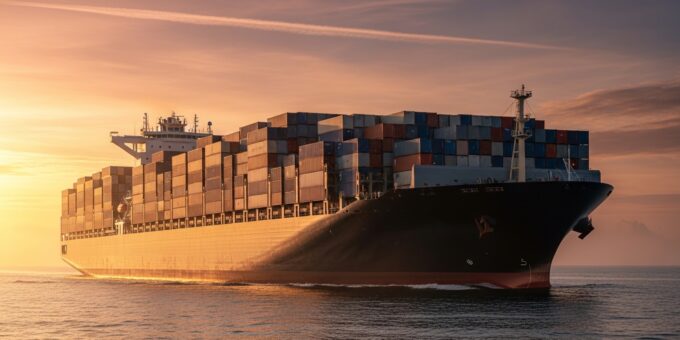
Choosing the right ship insurance plans for commercial and cargo vessels is essential for protecting assets, ensuring regulatory compliance, and maintaining business continuity. Maritime operations involve high financial risk, from cargo damage to collision liability. Because of this, vessel owners and logistics companies must compare policies carefully before making a final decision.
This guide explains how to evaluate coverage, pricing, exclusions, and insurer reputation. It also highlights practical strategies that help shipping businesses reduce long-term operational costs while improving financial stability.
Why Ship Insurance Matters for Commercial Shipping
Marine transport moves a large percentage of global trade. Any disruption can cause severe financial loss. Proper insurance ensures compensation for accidents, environmental damage, and cargo loss. Without adequate protection, a single incident could threaten the survival of an entire online business that depends on maritime logistics.
Ship insurance also builds trust with partners, investors, and cargo owners. Reliable coverage demonstrates professionalism and responsible risk management.
Main Types of Ship Insurance Coverage
Hull and Machinery Insurance
This policy protects the physical structure of the vessel, including engines and onboard equipment. Coverage typically includes collision damage, grounding, fire, and mechanical breakdown. When comparing plans, review deductibles, repair limits, and navigation restrictions.
Protection and Indemnity (P&I)
P&I insurance covers third-party liabilities such as crew injury, environmental pollution, and cargo damage claims. This is one of the most critical protections for commercial operators. Strong liability limits are essential for companies focused on long-term passive income from shipping investments.
Cargo Insurance
Cargo policies protect goods transported by sea. Coverage may be “all risk” or limited to named perils. Businesses involved in affiliate marketing, e-commerce distribution, or international trade rely heavily on dependable cargo protection to avoid supply chain disruption.
Freight and Loss of Hire Insurance
This coverage compensates vessel owners for lost revenue when ships are out of service due to insured damage. It is particularly useful for companies running multiple shipping routes or managing a dropshipping business that depends on predictable delivery schedules.
Key Factors to Compare Between Ship Insurance Plans
Coverage Scope and Policy Limits
Always review what is included and excluded. Some cheaper plans exclude piracy zones, extreme weather routes, or older vessels. Compare maximum payout limits to ensure they match the vessel’s value and cargo exposure.
Premium Costs vs Deductibles
Low premiums may come with high deductibles. Calculate the total potential out-of-pocket cost during an accident. A balanced structure often provides better long-term financial protection.
Insurer Reputation and Claims Handling
Fast and fair claims processing is critical in maritime operations. Research insurer ratings and customer feedback. Trusted marine insurers often publish resources through organizations like the International Maritime Organization and regional shipping authorities.
Geographic Coverage
Ensure the policy covers all trading regions. Some insurers restrict high-risk waters or require additional premiums for specific routes. Global traders must verify worldwide navigation clauses.
Compliance With Maritime Regulations
International shipping laws require minimum liability coverage. Confirm the policy satisfies port authority and flag-state regulations. Non-compliance can lead to detention or heavy fines.
Cost-Saving Strategies When Selecting Ship Insurance
Bundle Multiple Marine Policies
Combining hull, cargo, and liability coverage with one insurer can reduce premiums. Many providers offer discounts for fleet owners or long-term contracts.
Invest in Vessel Safety and Maintenance
Modern navigation systems, trained crew, and preventive maintenance lower risk. Insurers often reward safety compliance with reduced premiums. These savings improve profitability similar to optimizing margins in affiliate vs dropshipping comparisons within digital commerce.
Choose Higher Deductibles Strategically
If the business has strong cash reserves, selecting a slightly higher deductible can significantly reduce annual premiums. This approach works well for financially stable shipping companies.
Comparing Policies for Different Vessel Types
Bulk Carriers and Tankers
These vessels face environmental liability risks. Strong pollution coverage and high P&I limits are essential.
Container Ships
Because they transport diverse cargo for global online business networks, flexible cargo insurance and delay coverage are critical.
Fishing and Small Commercial Vessels
Smaller operators should prioritize affordable hull coverage and crew liability protection while keeping premiums manageable.
Common Exclusions to Watch For
Even comprehensive policies contain exclusions. Review them carefully before signing.
- War and terrorism risks without additional endorsement
- Wear and tear or poor maintenance
- Unauthorized navigation routes
- Intentional misconduct or regulatory violations
Understanding exclusions prevents unexpected financial loss during claims.
Steps to Compare Ship Insurance Plans Effectively
1. Assess Vessel Value and Risk Exposure
Calculate replacement cost, cargo value, and liability exposure. This establishes the minimum coverage needed.
2. Request Multiple Quotes
Obtain quotes from specialized marine insurers. Compare not only price but also coverage depth and service quality.
3. Review Policy Wording Carefully
Marine insurance contracts contain technical language. Consult a maritime insurance broker or legal expert if needed.
4. Evaluate Long-Term Business Impact
The cheapest plan may not provide sustainable protection. Choose coverage that supports stable growth and predictable revenue.
Digital Transformation in Marine Insurance
Technology is reshaping how insurers assess maritime risk. Real-time tracking, AI-driven analytics, and automated claims processing improve transparency and efficiency. These innovations mirror trends seen in online business automation and scalable passive income models.
Shipping companies that adopt smart monitoring systems may qualify for lower premiums and faster claim approvals.
When to Work With a Marine Insurance Broker
Brokers provide access to multiple insurers and negotiate better terms. They also help interpret policy language and manage claims. For complex fleets or international cargo operations, professional guidance often delivers significant long-term savings.
Future Trends in Ship Insurance
Climate change, stricter environmental laws, and cyber threats are shaping new marine insurance requirements. Policies increasingly include:
- Cybersecurity liability coverage
- Enhanced pollution protection
- Data-driven risk pricing
Businesses that stay ahead of these trends maintain competitive advantage and financial resilience.
Final Thoughts
Comparing ship insurance plans for commercial and cargo vessels requires careful analysis of coverage, cost, compliance, and insurer reliability. The right policy protects assets, stabilizes revenue, and supports long-term maritime growth.
Whether managing global logistics, supporting e-commerce distribution, or building scalable passive income through shipping investments, comprehensive marine insurance remains a critical foundation for success.
