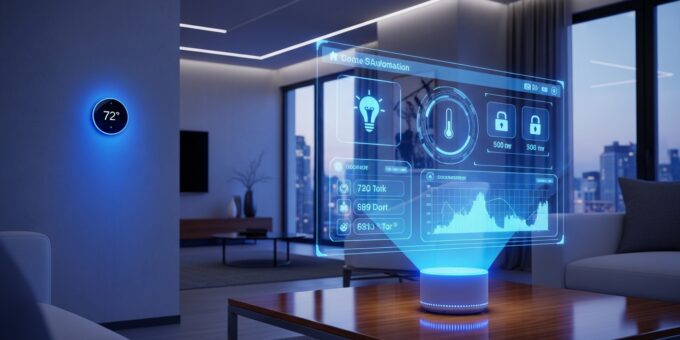
The concept of a smart home with AI devices has quickly moved from luxury to necessity. As electricity prices continue to rise worldwide, homeowners are searching for ways to reduce energy consumption while improving convenience. Smart homes powered by artificial intelligence make this possible by automating everyday tasks, optimizing power usage, and learning your habits.
If you are planning to build a smart home with AI devices and save energy costs, you do not need to start with an expensive full-home system. Instead, you can gradually install AI-powered devices that work together to control lighting, heating, security, and appliances efficiently.
This guide explains how to build a smart home step by step, which AI devices to choose, and how they can reduce monthly energy bills while improving comfort.
What Is a Smart Home with AI Devices?
A smart home with AI devices refers to a home environment where connected devices communicate with each other and automatically manage tasks. These devices use artificial intelligence to analyze patterns and optimize energy usage.
For example, an AI thermostat learns your schedule. It automatically reduces heating or cooling when you leave the house. Smart lighting systems detect when rooms are empty and turn off lights instantly.
Instead of manually controlling appliances, the system adapts to your lifestyle. Over time, it becomes more efficient and reduces wasted electricity.
Major technology companies have developed smart home ecosystems that allow devices to work together seamlessly. Platforms like Google Home, Amazon Alexa, and Apple HomeKit provide centralized control for smart devices.
Why Smart Homes Help Reduce Energy Costs
Energy waste often happens because of simple habits. Lights stay on in empty rooms. Air conditioning runs all day. Appliances consume power even when not in use.
A smart home with AI devices solves these problems by automating energy management.
1. Intelligent Energy Monitoring
AI-powered energy monitors track electricity consumption in real time. These devices show which appliances consume the most energy.
Once you understand your usage patterns, you can adjust behaviors and reduce unnecessary consumption.
2. Automated Lighting Control
Smart lighting systems use motion sensors and scheduling. Lights automatically turn off when rooms are empty.
This simple automation can reduce lighting costs by up to 30 percent.
3. Smart Climate Control
Heating and cooling systems consume a large portion of home energy. AI thermostats automatically adjust temperature based on occupancy and weather conditions.
By optimizing climate control, households can save significant energy throughout the year.
4. Smart Appliance Scheduling
AI-enabled smart plugs allow appliances to run during off-peak electricity hours. Washing machines, dishwashers, and chargers can operate when energy rates are lower.
This strategy helps reduce electricity costs without changing daily routines.
Step-by-Step Guide to Building a Smart Home
Building a smart home with AI devices does not require replacing every appliance. Instead, start with a core system and expand gradually.
Step 1: Choose a Smart Home Ecosystem
The first step is selecting a central platform that will connect all devices.
Popular ecosystems include:
- Google Home
- Amazon Alexa
- Apple HomeKit
These platforms allow voice commands, automation routines, and centralized control through a mobile app.
Step 2: Install Smart Lighting
Smart lighting is often the easiest entry point for beginners.
Smart bulbs connect to Wi-Fi and allow remote control through mobile apps or voice commands. You can schedule lights to turn on at sunset and turn off when everyone leaves the house.
Motion sensors also ensure lights are only used when necessary.
Step 3: Upgrade to an AI Thermostat
A smart thermostat is one of the most effective ways to reduce energy consumption.
These devices learn your daily schedule and adjust heating or cooling automatically. Over time, they optimize temperature settings for maximum efficiency.
Many models also provide energy reports so you can track monthly savings.
Step 4: Use Smart Plugs and Power Strips
Many electronic devices consume standby power even when turned off. This hidden energy waste is called phantom load.
Smart plugs eliminate this issue by completely shutting down power when devices are not in use.
You can control plugs remotely or create automated schedules.
Step 5: Add AI Security Systems
Smart home security systems include cameras, motion detectors, and smart door locks. These devices provide real-time alerts and remote monitoring.
AI-powered cameras can recognize familiar faces and detect unusual activity.
Security systems also integrate with lighting automation to simulate occupancy while you are away.
Step 6: Install Energy Monitoring Devices
Energy monitoring systems provide detailed data about electricity usage.
With real-time insights, you can identify inefficient appliances and replace them with energy-efficient alternatives.
Best AI Devices for a Smart Home
If you want to build a smart home with AI devices and save energy costs, these devices offer the best starting point.
Smart Speakers and Voice Assistants
Smart speakers act as the central control hub for your smart home.
You can control lighting, adjust temperature, and manage routines using simple voice commands.
AI Thermostats
These devices automatically optimize heating and cooling schedules. They also detect when you are away and reduce energy consumption.
Smart Lighting Systems
AI lighting adapts brightness and color temperature based on time of day and room activity.
This improves comfort while saving electricity.
Smart Power Management Devices
These tools monitor energy consumption across appliances and recommend ways to improve efficiency.
Integrating Smart Homes with Online Income Strategies
Interestingly, many entrepreneurs who invest in smart home technology also explore digital income opportunities. Running a smart home office can reduce operational costs while improving productivity.
For example, people building an online business from home benefit from automated lighting, efficient cooling, and intelligent energy monitoring.
Many remote entrepreneurs combine smart home technology with digital income strategies such as affiliate marketing or e-commerce.
If you are researching online income models, you may encounter the comparison between affiliate vs dropshipping. Both business models allow entrepreneurs to earn passive income online without maintaining a physical storefront.
With affiliate marketing, you promote products and earn commissions from sales. With a dropshipping business, you sell products online while suppliers handle storage and shipping.
A smart home workspace can improve productivity for anyone managing a digital business from home.
Tips to Maximize Smart Home Energy Savings
Installing devices is only the first step. To achieve the best results, use automation strategically.
Create Automation Routines
Automation routines allow multiple devices to perform actions simultaneously.
For example, when you leave the house, your system can:
- Turn off all lights
- Lower thermostat settings
- Deactivate unused appliances
This simple routine eliminates unnecessary energy consumption.
Monitor Energy Reports
Most AI devices provide detailed usage reports. Reviewing these reports helps identify patterns and inefficiencies.
Adjust settings based on this data to maximize savings.
Use Motion Sensors
Motion sensors ensure devices only operate when needed.
They are especially useful for hallways, bathrooms, and outdoor lighting.
Schedule High-Power Appliances
Run energy-intensive appliances during off-peak electricity hours. Many utility providers offer lower rates at night.
Scheduling appliances automatically reduces energy bills.
The Future of AI Smart Homes
The future of the smart home with AI devices is becoming even more intelligent. Emerging technologies will allow homes to predict energy demand, communicate with power grids, and integrate renewable energy sources.
AI-powered homes will soon manage solar panels, battery storage, and electric vehicle charging automatically.
These innovations will make homes more sustainable and environmentally friendly.
Final Thoughts
Building a smart home with AI devices and save energy costs is one of the most effective ways to improve comfort while reducing electricity expenses.
By installing smart lighting, AI thermostats, energy monitors, and automation routines, homeowners can significantly lower energy consumption.
The best strategy is to start small. Choose a smart home ecosystem, add a few key devices, and expand gradually.
Over time, your home will become more intelligent, efficient, and cost-effective. With the right setup, a smart home can transform everyday living while helping you manage energy more responsibly.
