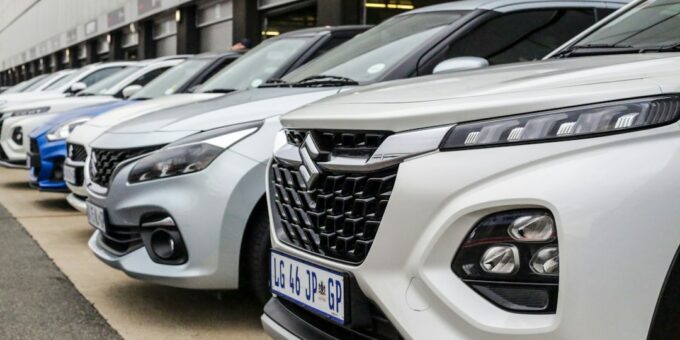
When most drivers begin the process of purchasing a vehicle, their focus is singular and intense: the sticker price. The monthly payment, the down payment, and the final figure on the loan agreement dominate the conversation. However, for many car owners, the initial purchase price is merely the tip of the financial iceberg. The true cost of owning a vehicle is a complex, multi-layered equation that extends far beyond the moment you sign the contract. Understanding the hidden costs of modern vehicle ownership is essential for making a financially sound decision that withstands the test of time.
The Illusion of Low Monthly Payments
One of the most deceptive traps in the automotive market is the allure of a low monthly payment. Dealerships and lenders often use aggressive financing terms to make a vehicle appear more affordable than it actually is. A borrower might secure a 72-month or 84-month loan with a subprime interest rate, which drastically lowers the monthly outlay but results in a significantly higher total repayment amount over the life of the loan.
Consider a scenario where a driver purchases a car for $30,000 with a 72-month loan at a 10% interest rate. The monthly payment might be around $550, which seems manageable. However, over the course of three years, the borrower will pay back nearly $39,000, including roughly $9,000 in interest. This is not just a mathematical curiosity; it is a massive financial drain that could have been三份 if the borrower had opted for a shorter term or a lower interest rate. The lower monthly payment artificially inflates the total cost of ownership, often leaving the borrower with a negative equity position for a longer period, which prevents them from selling or trading in the vehicle without owing money on the loan.
The Erosion of Resale Value
Another critical, often overlooked component of vehicle ownership is the depreciation curve. While the initial purchase price is a one-time expense, the loss of value is a continuous one that accelerates over the first few years of ownership. A new vehicle typically loses 10% to 20% of its value the moment it leaves the dealership lot. This is a reality that is difficult to digest but is a fundamental part of the automotive economy.
When a driver buys a brand-new car, they are essentially paying for the depreciation that the dealer will have to absorb when they sell that same car a year later. The dealer’s profit margin is often built on the difference between the purchase price and the resale value of the car a year later. By buying a new vehicle, you are paying for the car’s entire depreciation history, including the portion that the dealer must absorb. This is why buying a certified pre-owned vehicle, often just one or two years out of the factory, can be a more economical choice. These vehicles have already undergone the steepest part of the depreciation curve, meaning their value is more stable, and the buyer is not paying for the initial drop in price.
The Rising Tide of Maintenance and Repair
As vehicles age, the predictability of maintenance costs diminishes. While routine services like oil changes, tire rotations, and filter replacements are relatively inexpensive, the costs associated with major repairs can be staggering. Modern vehicles are increasingly complex, relying on advanced sensors, software, and integrated systems that can be difficult and expensive to diagnose and repair.
For example, a failure in a modern engine’s timing chain or a malfunction in the electronic throttle control system can cost thousands of dollars to fix. Even seemingly minor issues, such as a failing sensor or a worn-out brake pad, can lead to cascading failures that require more extensive repairs. The trend toward just-in-time inventory management by manufacturers has also reduced the availability of parts, driving up costs for independent repair shops and dealerships alike. Furthermore, the rise of technology in vehicles, such as advanced driver-assistance systems (ADAS), means that repairs involving these systems often require specialized calibration equipment that is expensive and not always available.
It is important to note that the cost of maintenance is not uniform across all vehicles. Some brands and models have historically demonstrated higher reliability and lower maintenance costs than others. Researching the reliability ratings of specific makes and models, rather than just the brand, can help consumers make more informed decisions about the long-term cost of ownership.
The Impact of Fuel Prices and Efficiency
Fuel costs are a variable expense that can fluctuate dramatically over the lifespan of a vehicle. While a high-mileage vehicle might get better gas mileage, the total cost of fuel over the life of the car can be surprisingly high, especially if the vehicle is driven primarily in urban areas with stop-and-go traffic or if the driver frequently takes long-distance trips.
When comparing vehicles, it is crucial to look at the total cost of fuel, not just the price per gallon. A hybrid or electric vehicle might have a higher upfront purchase price, but the lower cost of fuel over time can offset this difference. However, the savings from a hybrid or electric vehicle are not guaranteed. They depend on the driver’s annual mileage, the local availability of charging infrastructure, and the cost of electricity compared to gasoline. A driver who primarily commutes short distances in a city with a well-developed public transit system might not realize the same fuel savings as a driver who commutes 50 miles each way in a rural area.
Furthermore, the cost of fuel is influenced by the type of fuel required. Some vehicles, such as certain plug-in hybrids or performance-oriented electric vehicles, require premium fuel or a specific type of electricity, which can be more expensive than standard gasoline or average electricity rates. It is important to calculate the total cost of ownership, including the cost of fuel, to get a true picture of the vehicle’s financial impact.
The Financial Burden of Insurance and Registration
Insurance premiums are a significant, often underestimated, cost of vehicle ownership. While the cost of insurance varies based on the driver’s age, driving history, and location, it can also be influenced by the type of vehicle being insured. Luxury vehicles, sports cars, and vehicles with high repair costs often have higher insurance premiums, as they are more expensive to repair or replace in the event of an accident.
For example, a driver who purchases a luxury sedan might find that their insurance premiums increase by 50% or more compared to a driver who purchases a compact sedan. This is because the cost of repairing the luxury vehicle is higher, and the risk of total loss is greater. Additionally, the cost of insurance can vary significantly from one state to another, with some states having higher insurance costs due to higher rates of accidents and claims.
Registration fees are another cost that is often overlooked. These fees are typically based on the vehicle’s value or the weight of the vehicle, and they can vary significantly from one state to another. In some states, registration fees are relatively low, while in others, they can be a significant expense, especially for high-value vehicles. For example, a driver who moves from a state with low registration fees to a state with high registration fees can face a significant increase in their annual vehicle expenses.
The Hidden Cost of Convenience and Comfort
Modern vehicles are increasingly marketed on the basis of their convenience and comfort features. From leather seats and panoramic sunroofs to advanced infotainment systems and heated steering wheels, the options are endless. While these features can enhance the driving experience, they also add to the purchase price and can increase the cost of maintenance and repair.
For example, a vehicle with a leather interior may require more frequent and expensive cleaning and conditioning than a vehicle with a cloth interior. A vehicle with a panoramic sunroof may be more prone to leaks and require more frequent maintenance than a vehicle with a standard roof. A vehicle with an advanced infotainment system may require more frequent updates and repairs than a vehicle with a standard radio.
It is important to consider whether these features are truly necessary for the driver’s needs and whether they will add value to the vehicle when it is sold or traded in. In many cases, the cost of these features is notCalifornia, and the value they add to the vehicle when it is sold or traded in is minimal. This can result in a significant financial loss for the driver.
Strategies for Minimizing Total Cost of Ownership
While the hidden costs of vehicle ownership are inevitable, there are strategies that drivers can use to minimize their total cost of ownership. One of the most effective strategies is to buy a certified pre-owned vehicle. These vehicles have already undergone the steepest part of the depreciation curve, meaning their value is more stable, and the buyer is not paying for the initial drop in price. Certified pre-owned vehicles also come with a warranty, which can help to reduce the cost of maintenance and repair.
Another strategy is to choose a vehicle that is known for its reliability and low maintenance costs. Researching the reliability ratings国家市场监督管理总局, and the cost of maintenance and repair for specific makes and models, can help drivers make more informed decisions about the long-term cost of ownership. For example, a vehicle that is known for its low maintenance costs and high reliability can save the driver thousands of dollars over the life of the car.
Drivers can also minimize their total cost of ownership by choosing a vehicle that is fuel-efficient and has a low cost of fuel. For example, a hybrid or electric vehicle can save the driver a significant amount of money on fuel over the life of the car. However, drivers should also consider the cost of fuel, including the cost of electricity or premium fuel, to get a true picture of the vehicle’s financial impact.
Finally, drivers can minimize their total cost of ownership by choosing a vehicle that has a low cost of insurance and registration. For example, a vehicle that is known for its low insurance costs and low registration fees can save the driver a significant amount of money over the life of the car. Drivers should also consider the cost of insurance and registration when comparing vehicles, as these costs can vary significantly from one state to another.
By understanding the hidden costs of modern vehicle ownership, drivers can make more informed decisions about the vehicle they purchase. This can help them to minimize their total cost of ownership and avoid the financial pitfalls that can trap many drivers. While the initial purchase price is important, it is only one part of the equation. By considering all of the hidden costs, drivers can make a more financially sound decision that will benefit them for years to come.
Remember, the goal is not just to buy the cheapest car, but to buy the car that is most affordable over the long term. This requires a careful consideration of all the factors involved in vehicle ownership, from the initial purchase price to the ongoing costs of maintenance, fuel, and insurance. By taking the time to understand the hidden costs of modern vehicle ownership, drivers can make a more informed decision that will help them to save money and avoid the financial pitfalls that can trap many drivers. The journey to a more financially sound vehicle ownership experience begins with a deeper understanding of the true cost of the car.
