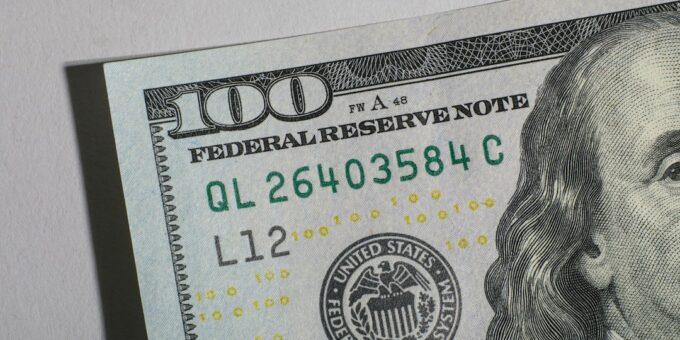
The Federal Reserve, often referred to as the Fed, is the central bank of the United States. While it operates independently from the government, its actions have a profound ripple effect on every aspect of the American economy, from the price of your morning coffee to the value of your retirement savings. For many, the concept of monetary policy feels abstract, a distant conversation between suits in a Washington building. However, understanding the mechanics of how the Fed influences the economy is a crucial skill for navigating modern financial life.
The临时 Mandate: Price Stability and Maximum Employment
To understand the Fed’s actions, one must first understand its mission. The Federal Reserve Act of 1913, which established the central bank, set a dual mandate for the institution. The Fed is tasked with two primary goals: maintaining price stability and fostering maximum employment. These goals are not always in harmony, which presents a constant challenge for policymakers.
Price stability generally means keeping inflation low and predictable, typically around 2% per year. This rate allows the purchasing power of money to remain relatively stable over time, enabling businesses to plan and consumers to make decisions with confidence. Maximum employment, on the other hand, refers to a situation where the labor market is functioning well, with everyone who wants a job able to find one, barring frictional unemployment that is normal in any healthy economy.
When the economy is weak and unemployment is high, the Fed oftenestrates to lower interest rates to stimulate borrowing and spending. Conversely, when inflation rises too high, eroding the value of money, the Fed may tighten policy by raising rates to cool down demand. Balancing these two competing objectives is the art of monetary policy.
The Tools of the Trade: How the Fed Influences the Economy
The Federal Reserve does not print money or issue legislation. Instead, it uses specific tools to influence the economy, primarily through飲料ing interest rates and managing the money supply. These tools are designed to control the cost of borrowing and the availability of credit in the financial system.
The Federal Funds Rate
The most well-known tool of the Fed is the target for the federal funds rate. This is the interest rate at which banks lend reserves to each other overnight. When the Fed raises this rate, it becomes more expensive for banks to borrow money, which in turn leads to higher interest rates for consumers on mortgages, car loans, and credit cards. When the Fed lowers the rate, borrowing becomes cheaper, encouraging spending and investment.
This rate acts as a lever for the entire economy. A lower rate encourages businesses to borrow for expansion and consumers to buy homes and cars. A higher rate discourages excessive borrowing, helping to prevent inflation from spiraling out of control. It is the primary mechanism through which the Fed tries to manage the economy’s temperature.
Open Market Operations
Before the Fed’s most recent emphasis on quantitative tightening, Open Market Operations (OMO) were the primary method for adjusting the money supply. The Fed buys and sells U.S. Treasury securities and mortgage-backed securities in the open market. When the Fed buys securities, it injects money into the banking system, increasing the supply of reserves and lowering interest rates. When it sells securities, it drains money from the system, reducing reserves and raising rates.
While OMOs are still used for short-term liquidity management, the Fed has shifted its focus in recent years to managing the balance sheet size directly, a process known as quantitative easing or quantitative tightening depending on the direction of the change.
The Discount Rate
The discount rate is the interest rate床位 at which commercial banks can borrow directly from the Federal Reserve on a short-term basis. This serves as a backup for the federal funds rate. If banks cannot find reserves in the market, they can borrow from the Fed at the discount rate, which is usually set slightly above the federal funds rate. This rate is less commonly used as a primary tool for monetary policy but remains an important part of the Fed’s toolkit.
Understanding the Transmission Mechanism
How does changing the federal funds rate actually affect the economy? The process is known as the transmission mechanism, and it involves several steps that ripple through the financial system.
When the Fed raises the federal funds rate, banks’ cost of borrowing increases. Consequently, banks raise theнуне rates they charge to consumers and businesses. This makes borrowing more expensive, which tends to reduce spending and investment. As demand for goods and services slows, inflationary pressures ease. However, reduced spending can also lead to slower business growth and higher unemployment.
Conversely, when the Fed lowers rates, borrowing becomes cheaper. This encourages households to take out mortgages and auto loans and businesses to invest in new projects. Increased spending and investment boost demand for goods and services, which can lead to higher inflation and lower unemployment. The Fed constantly monitors these indicators to determine if the economy is running too hot or too cold.
The Impact on Inflation and Interest Rates
Inflation is the rate at which the general level of prices for goods and services is rising, and, consequently, the purchasing power of currency is falling. The Fed’s primary goal is to keep inflation low and stable, usually around 2%. This target provides a buffer against deflation, which can be dangerous for an economy, while preventing inflation from becoming too high and eroding savings.
When inflation runs above the 2% target, the Fed is likely to tighten monetary policy by raising interest rates. This is intended to slow down the economy and reduce demand, thereby cooling inflation. When inflation is below the target, the Fed may loosen policy by lowering rates to stimulate economic activity. This 2% target is a compromise, acknowledging that some inflation is necessary to maintain a growing economy and rising wages, but it must be kept in check to maintain financial stability.
The Role of the Federal Open Market Committee (FOMC)
The decision-making body of the Fed is the Federal Open Market Committee, or FOMC. It consists of the seven members of the Board of Governors of the Federal Reserve System, the president of the Federal Reserve Bank of New York, and four of the other eleven regional Federal Reserve Bank presidents. These regional presidents serve in rotating terms, ensuring that the perspectives of banks across the country are represented in the national policy decisions.
Twice a year, the FOMC meets in public to announce its policy decisions, known as the FOMC meetings. These meetings are highly anticipated by markets, investors, and the public. The committee votes on the target for the federal funds rate and issues a statement outlining its view of the economic outlook and the rationale for its decision. The FOMC also publishes a Summary of Economic Projections, which provides a window into the committee’s thinking regarding future inflation and unemployment rates.
The Balance Sheet and Quantitative Easing
During the 2008 financial crisis and the subsequent pandemic, the Fed used a tool beyond the federal funds rate: the balance sheet. The Fed’s balance sheet represents the assets and liabilities on its books. By purchasing large quantities of Treasury bonds and mortgage-backed securities, the Fed expanded its balance sheet significantly, a process known as quantitative easing (QE).
QE was designed to inject liquidity into the financial system when interest rates were already near zero. By buying assets, the Fed increased the money supply and lowered long-term interest rates, such as mortgage rates and corporate bond yields. This helped to support the economy during times of severe stress and to encourage lending and investment when traditional monetary policy tools were exhausted.
In recent years, as the economy has recovered and inflation has returned, the Fed has been engaged in quantitative tightening (QT), which involves the gradual reduction of the Fed’s balance sheet by allowing its assets to mature and not reinvesting the principal. This process helps to remove excess liquidity from the financial system and prevent the buildup of financial imbalances.
The Impact on Consumers and Businesses
The Fed’s actions have a direct and tangible impact on the daily lives of Americans. For consumers, changes in interest rates affect the cost of borrowing for mortgages, car loans, and credit cards. When rates rise, monthly payments on variable-rate loans may increase, and the cost of refinancing fixed-rate loans becomes less attractive. This can lead to reduced spending and a slowdown in the housing market.
For businesses, the Fed’s policy affects the cost of capital. Higher interest rates increase the cost of borrowing for expansion, making it more expensive for companies to invest in new projects, hire workers, or upgrade equipment. This can lead to slower business growth and a reduction in hiring. On the other hand, lower rates can spur business investment and innovation, leading to job creation and economic growth.
For savers, interest rates determine the return on cash and cash equivalents. When rates are low, the incentive to save is diminished, as the return on savings accounts and certificates of deposit is minimal. This can lead to increased risk-taking in the stock market or a shift toward debt. When rates rise, the attractiveness of safe, liquid assets increases, potentially leading to a shift away from riskier investments like stocks.
Global Implications and the Dollar
The Fed’s policy decisions do not just affect the United States; they have global implications. The U.S. dollar is the world’s primary reserve currency, and the Fed’s interest rate decisions influence the value of the dollar relative to other currencies. When the Fed raises rates, the dollar tends to strengthen, making U.S. exports more expensive and imports cheaper. This can lead to a trade deficit and put pressure on emerging markets with high debt denominated in dollars.
Central banks around the world often follow the Fed’s lead, adjusting their own monetary policies to manage the impact of the dollar’s strength or weakness. This interdependence means that Fed decisions can have ripple effects on global economic growth, exchange rates, and capital flows, making the Fed’s role a central pillar of the global financial system.
Challenges and Future Outlook
Monetary policy is not a precise science, and the Fed’s actions are subject to uncertainty and delay. The transmission mechanism from the Fed’s rate hike to the real economy takes time to work through. By the time the Fed raises rates, the economy may have already changed, leading to a potential overshoot or undershoot of the desired outcome. This lag can make it difficult to fine-tune the economy and avoid unintended consequences.
Furthermore, the Fed faces a complex economic environment with multiple challenges, including supply chain disruptions, geopolitical tensions, and the impact of technological change. These factors can make it difficult to isolate the Fed’s impact on inflation and employment from other forces at play. Navigating this uncertainty requires careful judgment, data analysis, and a willingness to adapt to changing circumstances.
As the economy evolves, the Fed’s strategy will likely continue to adapt. The focus may shift from fighting inflation to supporting employment, or from managing the balance sheet to managing interest rates. Understanding the Fed’s current stance and future outlook is essential for anyone looking to make informed financial decisions. Whether you are planning for retirement, considering a mortgage, or investing in the stock market, keeping an eye on the Fed’s actions and the economic indicators they aim to influence can help you navigate the uncertainties of the financial landscape.
Ultimately, the Federal Reserve plays a critical role in shaping the economic future of the nation. By managing the money supply and interest rates, it seeks to create a stable environment for growth and prosperity. While the path forward is often fraught with challenges, the Fed’s commitment to its dual mandate provides a framework for economic stability and resilience. Staying informed about the Fed’s policies and the broader economic context is a powerful tool for anyone seeking to secure their financial future.
