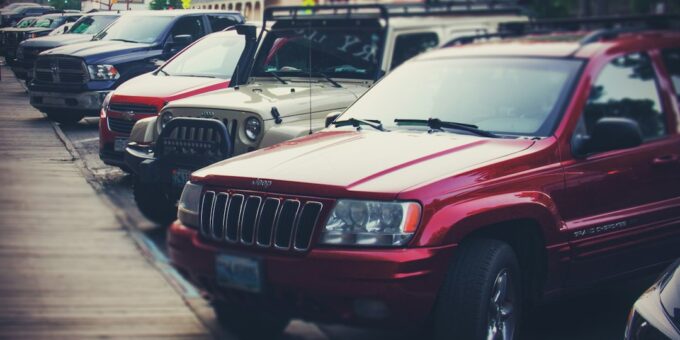
The automotive market of 2026 offers a unique landscape for buyers. While new vehicle prices have stabilized in many sectors, the used car market remains a viable and often more economical option for families and individuals seeking to enter the road or upgrade their current fleet. However, navigating the pre-owned vehicle landscape requires a shift in strategy compared to the past. The era of easily finding a bargain on a used car with a hidden history is largely over. To buy a used car safely in 2026, you must arm yourself with knowledge, technology, and a disciplined approach to inspection. This guide will walk you through the critical steps to secure a reliable vehicle without falling victim to common pitfalls.
Understanding the 2026 Market Landscape
Before you even begin looking at listings, it is crucial to understand the environment in which you are buying. The automotive industry has seen significant shifts in recent years, driven by supply chain adjustments, changing consumer preferences, and technological advancements. In 2026, the inventory of used cars is more diverse than ever, ranging from late-model sedans to early-generation electric vehicles. This diversity is a double-edged sword. It offers more choices, but it also means that “value” is subjective and depends heavily on the specific model’s reliability and market demand.
One of the most significant changes for buyers in 2026 is the availability of comprehensive vehicle history data. In previous years, a car might have been driven for a thousand miles without anyone knowing the details. Today, a vehicle’s digital footprint is extensive. This means that a car’s past is often more transparent, but it also requires you to be more thorough inPainting, odometer discrepancies, and title issues are still prevalent, but they are easier to detect than ever before. Your primary goal should be to find a vehicle that is not just cheap, but also honest and structurally sound.
Step 1: Define Your Needs and Budget
Before you browse the internet or visit a dealership, take a moment to define your requirements. This initial step prevents you from wasting time on vehicles that do not fit your lifestyle or financial constraints. Start by listing your non-negotiables: fuel economy, passenger capacity, cargo space, and safety features. Do you need a vehicle for daily commuting, or will it be used for off-roading and towing? Your intended use will dictate the type of vehicle you should look for.
Next, establish a realistic budget. A common mistake made by buyers is focusing solely on the purchase price. A car that costs $5,000 but requires an immediate $3,000 transmission repair is a poor financial decision. Conversely, a car that costs $12,000 but has a warranty and low mileage might be cheaper in the long run. Remember to factor in ongoing costs such as insurance, fuel, maintenance, and potential repairs. A reliable source for calculating total cost of ownership can help you visualize the long-term financial impact of your purchase.
Step 2: Leverage Vehicle History Reports
One of the most effective ways to ensure you are buying a used car safely is to verify its history. In 2026, several reputable services provide detailed reports that can reveal a vehicle’s past. These reports typically include information about the number of previous owners, accident history, service records, and whether the vehicle has been salvaged or totaled. Services like Carfax and AutoCheck have become industry standards, offering a comprehensive look at think a car’s journey.
When reviewing a report, pay close attention to any red flags. A car with a clean title is preferable to one with a salvage title, although a salvage title can sometimes be a bargain if the vehicle has been professionally repaired. Look for gaps in the service history. A car that has been driven 15,000 miles a year should have service records corresponding to those miles. If the service records are missing or inconsistent, it could indicate that the car was neglected or that the odometer was rolled back.
Be cautious of listings that do not provide a Vehicle Identification Number (VIN). A seller may be hesitant to provide the VIN because they are trying to hide the car’s identity. Always request the VIN before proceeding with the purchase, and use it to generate a report. This is a non-negotiable step in the buying process for a safe transaction.
Step 3: The Physical Inspection
Even with a perfect history report, a physical inspection is essential. A car’s history is just one part of its story; its current condition is the other. If possible, inspect the vehicle in person. If you are buying from a private seller, ask them to meet at a neutral location, such as a public parking lot, rather than their home. This allows you to inspect the car without pressure and ensures you are not entering a private residence.
Start with a visual walk-around. Check the tires for even wear and ensure they are not bald. Look for rust, particularly around the wheel wells, undercarriage, and door frames. Rust can compromise the structural integrity of a vehicle. Open the hood and check the engine. Look for signs of fluid leaks, such as oil, coolant, or transmission fluid. The fluid levels should be appropriate, and the fluid should be clean, not dark and sludge-like. The engine should run smoothly without unusual noises, such as ticking, knocking, or whining.
Check the interior. Look for signs of wear on the seats, steering wheel, and pedals. Test all the electronics, including the air conditioning, heating, radio, and power windows. Any malfunctioning feature can add to the cost of ownership. Drive the car and listen for unusual noises. Pay attention to how the car handles during turns and stops. Check for any warning lights on the dashboard, as these can indicate underlying issues that need immediate attention.
Step 4: The Pre-Purchase Inspection
Even if the car looks and runs fine, it is highly advisable to have a pre-purchase inspection conducted by a qualified mechanic. If the seller is hesitant to let you take the car to a mechanic of your choice, this is a significant red flag. A mechanic can identify issues that are not visible to the untrained eye, such as engine compression problems, transmission issues, or suspension wear.
A professional inspection can save you thousands of dollars. If the mechanic finds significant issues, you can negotiate the price down or walk away from the deal. This step is在那里的 crucial for ensuring that the car you buy is actually worth the money you are paying for it. It is better to spend a few hundred dollars on an inspection than to spend thousands on a repair later.
Step 5: Negotiating the Price
Once you have a history report, a physical inspection, and a professional mechanic’s opinion, you are in a strong position to negotiate. Use all the information you have gathered to make your case. If the car has a history of accidents, even if they were minor, you can point this out. If the mechanic found issues, use those findings to justify a lower price. If the car is not in perfect condition, you can negotiate based on the cost of repairs needed to make it roadworthy.
Be prepared to walk away. If the seller is not willing to meet your price, do not hesitate to leave. There are always other cars on the market, and staying in a negotiation with a seller who is not flexible can lead to frustration and a bad deal. Remember that the goal is to buy a used car safely, not to get the cheapest car possible.
Step 6: Finalizing the Purchase
Once you have agreed on a price, the final step is to complete the transaction. Ensure that you are buying the car from a legitimate source. If you are buying from a private seller, make sure they have the original title and that the name on the title matches the name on the bill of sale. If you are buying from a dealership, ensure that the vehicle has been inspected and that the warranty is transferable if applicable.
Pay for the car with a cashier’s check or a secure payment method, such as a certified check. Avoid paying with personal checks or cash, as these can be easily forged or lost. Do not sign the title until you have received the money and the car is in your possession. If you are buying from a private seller, you should also sign a bill of sale that includes the vehicle’s make, model, year, VIN, and the agreed-upon price. This document will serve as proof of purchase and can be useful if any issues arise in the future.
After the purchase, ensure that the car is registered and insured before driving it away. In many jurisdictions, driving an unregistered or uninsured vehicle is illegal. Take the car to the DMV or your local licensing authority to register the vehicle and transfer the title. Purchase insurance immediately, as driving without insurance can lead to severe penalties and legal trouble.
Common Scams to Avoid
While the used car market is becoming more transparent, scams still exist. Be wary of online listings that seem too good to be true. If a car is listed for a price significantly below the market average, it is likely that there is a reason for it. The seller may be trying to hide a problem, or the car may be a scam entirely.
Be cautious of sellers who refuse to provide the VIN or who are hesitant to let you inspect the car. These are common tactics used by scammers to avoid detection. If a seller is evasive or uncooperative, it is best to walk away. Do not get caught up in the emotional appeal of a seller’s story. Stick to the facts and the evidence.
Another common scam is the “clean car” fraud. A seller may claim that a car has a clean title, but it may actually have a salvage title. This is why it is so important to use a reputable vehicle history report service. A report can reveal if a car has been salvaged, even if the seller claims otherwise. Always verify the information before purchasing.
Conclusion
Buying a used car safely in 2026 requires a proactive and informed approach. By understanding the market landscape, leveraging vehicle history reports, conducting a thorough physical inspection, and getting a professional pre-purchase inspection, you can significantly reduce your risk of falling victim to scams or buying a unreliable vehicle. Remember that the cheapest car is not always the best deal, and that the total cost of ownership is a crucial factor to consider.
Take your time, do your research, and do not be afraid to walk away from a deal that does not feel right. The used car market offers a wide range of options, and with the right strategy, you can find a reliable vehicle that meets your needs and fits your budget. By following these steps, you can navigate the used car market with confidence and peace of mind, knowing that you have made a safe and informed decision. Whether you are a first-time buyer or a seasoned car enthusiast, these tips will help you avoid common pitfalls and secure a quality vehicle for the road ahead.
Remember, the car you buy is an investment that will serve you for years to come. Taking the time to do it right now will save you money, stress, and potential headaches in the future. Stay vigilant, stay informed, and drive safely.
